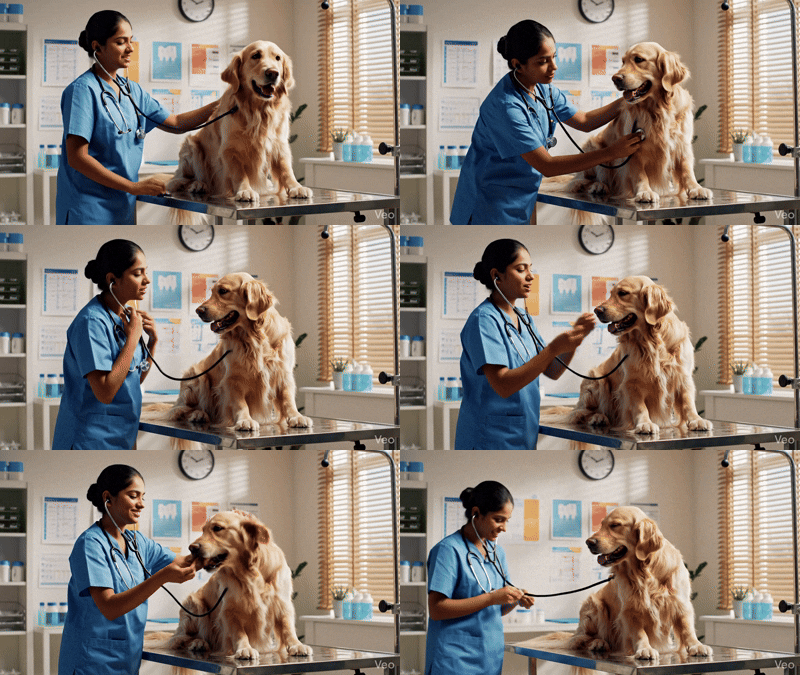
Companion animal ownership represents a profound, lifelong commitment requiring a scientific and ethical approach to health management. Contemporary veterinary medicine emphasizes proactive, preventative care, integrating nutritional science, behavioral training, financial planning, and advanced medical diagnostics to ensure optimal animal well-being. This report details the foundational elements, chronic disease challenges, emerging technologies, and critical ethical considerations that underpin responsible pet ownership in the 21st century.
——————————————————————————–
Section I: The Foundation of Responsible Pet Ownership and Nutritional Science
The welfare of dogs and cats is entirely dependent upon the ability of the owner to understand and meet their complex physiological and psychological needs. This responsibility starts long before adoption with a rigorous assessment of suitability and environmental capacity.
1.1 Defining the Lifetime Commitment and Suitability Assessment
Responsible pet ownership is defined by the commitment to provide all essential resources throughout the animal’s lifespan.[1] The core necessities identified by veterinary organizations include nutritious food, adequate water, appropriate shelter, timely veterinary care, and sufficient exercise and companionship.[2]
Prerequisites for Ownership
Before acquiring a pet, individuals must realistically assess their limitations. It is imperative to keep only the type and number of pets for which a suitable home environment can be provided.[2] This involves understanding that some species or breeds necessitate more frequent exercise, feeding, or attention, which may make them unsuitable choices for individuals with demanding schedules or extended periods away from home.[2]
Lifestyle Compatibility
The selection of a companion animal must be rigorously aligned with the owner’s available time, space, and work schedule.[3] For individuals living in small apartments or those with demanding, long work hours, cats often present a more suitable choice due to their independent nature, lower overall exercise demands, and intrinsic comfort with indoor environments.[3, 4] In contrast, dogs generally require more substantial space, more frequent outdoor access, and a significantly larger time commitment for socialization and exercise.[3] Choosing a pet that fits the lifestyle is not merely a preference but a functional necessity that dictates the animal’s quality of life and prevents subsequent stress or behavioral issues for both the pet and the owner. Owners must also investigate whether local ordinances or housing arrangements impose limitations on pet choices.[2]
1.2 Essential Nutritional Science: Species-Specific Dietary Requirements
Optimal companion animal health is predicated on nutritional fidelity. Pet food must adhere to the standard of being “complete and balanced,” meaning the product contains all the necessary nutrients in the correct ratios for the intended species and life stage (maintenance, growth, or gestation/lactation).[5] The nutritional needs of dogs and cats are significantly divergent, necessitating specialized formulation.[1, 5]
Feline Obligate Carnivory
Cats are obligate carnivores, a classification that requires specific dietary components not essential to dogs.[5] This metabolic distinction means that felines must obtain certain compounds directly from animal tissues because they lack the necessary metabolic pathways to synthesize them adequately. For instance, cats require dietary Taurine and ‘pre-formed’ Vitamin A, whereas dogs possess the requisite metabolic processes to convert precursor compounds into the active forms of these vitamins and nutrients.[5, 6] Similarly, Arachidonic acid is an essential fatty acid that cats cannot synthesize in sufficient quantities, while dogs can.[6] Arachidonic acid is vital for processes such as blood clotting, inflammatory responses, and supporting proper function of the reproductive and gastrointestinal systems.[6] Deficiencies in these species-specific requirements, such as a lack of Taurine, can lead to chronic, life-threatening conditions like dilated cardiomyopathy.
Food Safety and Selection
To minimize the risk of foodborne illness—which can affect both pets and humans—safe pet foods are processed using high heat to eliminate potential contaminants or germs.[7] These safe options include kibbles (cooked, dried, and sometimes flavored), canned foods (sealed and sterilized at high temperatures), and fresh pet foods (cooked, often delivered via subscription services, requiring refrigeration due to minimal or absent preservatives).[7]
Homemade Diets and Risks
Some owners elect to prepare pet meals using grocery store ingredients. While intended to provide the best nutrition, the complexity of species-specific nutrient requirements poses a significant risk. Any homemade diet that constitutes a pet’s main dietary intake necessitates close consultation with a veterinarian or a board-certified veterinary nutritionist.[7] This consultation is crucial to guarantee that the diet is indeed “complete and balanced” and does not lead to chronic micronutrient deficiencies. The current trend toward non-validated homemade diets, particularly for obligate carnivores, introduces a critical compliance gap where pets may appear healthy short-term but develop latent, chronic diseases over time due to imbalances.
Hydration
Beyond nutrition, constant access to fresh water is paramount for survival and hydration.[1] Pet owners must consistently provide a clean bowl of water, accessible near the food, and refill it at least twice daily.[1]
The fundamental differences in species-specific nutritional needs underscore why dogs and cats cannot be fed interchangeably.
Table Title: Foundational Care Requirements: Dogs vs. Cats
| Requirement | Canine (Dog) | Feline (Cat) | Source ID |
|---|---|---|---|
| Nutrient Classification | Omnivore, highly adaptable diet | Obligate Carnivore, specialized diet | [5] |
| Essential Fatty Acids | Able to synthesize Arachidonic Acid | Requires dietary Arachidonic Acid | [6] |
| Vitamin A | Converts pre-vitamin forms into active form | Requires ‘pre-formed’ Vitamin A | [5, 6] |
| Taurine | Not generally required as an essential dietary amino acid | Essential dietary amino acid | [5] |
| Housing Suitability | High exercise needs; often requires significant space and outdoor access | Lower space needs; independent; well-suited for indoor/apartment living | [3, 4] |
1.3 Environmental Safety and Hazard Mitigation
A cornerstone of preventative care is securing the immediate living environment against substances and objects that pose toxicological or mechanical risks. The vast majority of household hazards originate from common items utilized by humans, emphasizing that pet safety relies heavily on human behavior and storage discipline.
Dietary and Chemical Hazards
Common household poisons frequently ingested by pets include human prescription and over-the-counter medications, which are a chief cause of pet poisoning each year.[8] Additionally, many common human foods are toxic. For instance, chocolate contains the stimulants theobromine and caffeine, which are toxic to both dogs and cats, while Xylitol—a sugar substitute found in certain gums and peanut butter—is extremely hazardous to dogs.[8, 9] Grapes, raisins, and garlic are also significant dietary hazards.[9]
Non-dietary chemical hazards include household cleaners, such as disinfectants, bleach, and toilet bowl tablets.[8] Highly lethal environmental toxins like antifreeze (ethylene glycol), insecticides, rodent baits, and certain flea and tick products (if used inappropriately, such as dog-specific treatments on cats) must be stored securely.[9]
Plant and Mechanical Risks
Owners must be vigilant regarding toxic plants. Lilies, Sago Palms, and Azaleas are notable hazards.[8, 9] To protect pets, owners should swap toxic varieties for non-toxic houseplants.[8]
Mechanical hazards present an often-overlooked danger. Small objects left unsecured—including coins, batteries, hair ties, and sewing thread—can lead to intestinal blockages, choking, or toxicity if swallowed by curious pets.[8] A unique suffocation risk is posed by thin food bags, such as mylar chip bags, which can tightly wrap around a dog’s nose and mouth when the animal breathes in while investigating the bag.[9]
Effective hazard mitigation requires proactive measures targeting human habits: installing baby locks on cabinets, ensuring all trash bins have sturdy, latched lids, covering electrical cords, and storing all medications in secure locations, never on accessible surfaces like bedside tables.[8]
——————————————————————————–
Section II: Preventative Veterinary Medicine and Chronic Disease Management
Preventative veterinary care is transitioning from reactive treatment to proactive disease mitigation, focusing particularly on highly prevalent, long-duration chronic conditions like obesity and dental disease.
2.1 Routine Clinical Protocols: Vaccination and Parasite Control
The American Veterinary Medical Association (AVMA) stresses the importance of routine wellness exams and preventive interventions such as spaying, neutering, and comprehensive vaccination schedules.[10, 11]
Vaccination Schedules
Vaccinations are critical during the early developmental phase when the immune system is most vulnerable.[12]
• Canine Protocols: Core vaccines for dogs, including DHPP (Distemper, Hepatitis, Parainfluenza, Parvovirus), commence at 6–8 weeks, followed by necessary boosters. The Rabies vaccine is typically administered around 14–16 weeks. Non-core vaccines, such as those for Bordetella and Leptospirosis, are determined based on the dog’s lifestyle and exposure risk.[11]
• Feline Protocols: Kittens receive core vaccines (Rhinotracheitis, Calicivirus, Panleukopenia) starting at 6–8 weeks, with boosters following. Rabies vaccination is generally introduced between 14–16 weeks. Feline Leukemia (FeLV) is often included as a non-core vaccine.[11, 12]
Sterilization
Reproductive surgery, encompassing spaying and neutering, is classified as a preventive healthcare measure, typically performed around 5–6 months of age.[11] This intervention not only plays a vital role in curbing pet overpopulation but also significantly reduces the risk of several reproductive cancers and life-threatening infections, contributing to documented increases in overall lifespan.[13, 14]
2.2 The Pet Obesity Epidemic: Pathophysiology, Risks, and Evidence-Based Solutions
Pet obesity is recognized by veterinary professionals as a prevalent and serious chronic disorder.[15] Studies have categorized 59% of dogs and 61% of cats in the United States as overweight or obese.[16] This high prevalence highlights the urgent need for clinical intervention and owner education.
Morbidity and Duration Burden
The health consequences of obesity are severe and systemic. Excess weight places undue stress on joints, which often precipitates or exacerbates conditions such as Arthritis and Hip Dysplasia, resulting in chronic pain and reduced mobility.[16] When assessing chronic conditions, Osteoarthritis scores highest in overall severity (13 out of 21) and persists for an extremely long duration, affecting the animal for an average of 82% of the year.[15] Obesity itself is also characterized by a lengthy duration, often affecting the pet for 70% of the year.[15]
Beyond orthopedic complications, excess weight compromises metabolic function, interfering with the body’s ability to regulate blood sugar, thereby increasing the risk of developing insulin resistance and Diabetes.[16] Cardiovascular systems are also strained, forcing the heart to work harder to circulate blood, which elevates the risk of high blood pressure and eventual heart failure.[16]
The analysis of disease metrics reveals that the most common and most severe conditions—including obesity, dental disorders, and osteoarthritis—are characterized by being extremely long-lasting, placing a sustained burden on the animal’s quality of life and requiring continuous, years-long owner compliance for management.
Table Title: Major Pet Obesity and Chronic Disease Metrics
| Condition | Prevalence (Approx.) | Severity Score (Max 21) | Average Duration | Key Associated Health Risks |
|---|---|---|---|---|
| Dental Disorder | 9.6% (Most Common) [15] | Not specified | 76% of the year (Longest lasting) [15] | Decreased appetite, systemic infection, pain |
| Overweight/Obese | 59% (Dogs), 61% (Cats) [16] | Not specified | 70% of the year [15] | Diabetes, Cardiovascular Issues, Osteoarthritis |
| Osteoarthritis | Significant presence | 13/21 (Highest Severity) [15] | 82% of the year (Highest Duration) [15] | Chronic pain, reduced mobility |
Management and Treatment Strategies
Overfeeding and poor feeding habits are the most obvious causes of pet obesity.[16] Effective weight management requires close collaboration with a veterinarian.[17]
1. Dietary Precision: Transitioning from “free-feeding” to controlled, measured meal portions is essential.[17, 18] Owners must accurately calculate the pet’s caloric needs based on life stage and activity level.[17]
2. Treat and Scrap Elimination: Table scraps are typically inappropriate, and treat intake must be strictly monitored, as they often contribute high caloric density without providing balanced nutrition.[1, 18]
3. Physical Activity: Regular, appropriate exercise is crucial for maintaining a healthy weight. This includes regular walks for dogs and playing with cats for at least five minutes, twice daily, to ensure physical and mental stimulation.[17]
The Role of Therapeutic Diets
Veterinary professionals consider prescription weight loss diets to be the primary evidence-based treatment for managing overweight and obese pets.[19, 20] These specialty foods are engineered not just to reduce calories but often utilize complex formulations—such as those designed to modify gene expression—to enhance satiety and promote healthy metabolic changes during weight loss.[21]
Despite the established clinical effectiveness, data suggests a significant challenge in veterinary communication regarding these prescription diets. Owner perception of therapeutic diets is comparatively low, with only 11% of dog owners and 23% of cat owners surveyed reporting them as the most effective method, contrasting sharply with the 54-56% who credit “reducing calories or giving smaller portions”.[19] This discrepancy indicates a gap in education and owner compliance. Owners frequently resort to simple calorie reduction without utilizing the specialized metabolic support offered by prescription formulations. This failure to translate clinical evidence into owner action may be related to perceived high costs, difficulty accessing specific formulations, or adverse physical changes during diet transition.[19] Ongoing industry efforts are focused on researching these perception gaps to improve communication and boost compliance with these demonstrably effective weight management plans.[22]
2.3 Dental Health: Prevention of Periodontal Disease
Dental disorders represent the most commonly diagnosed condition in dogs and cats.[15] Like obesity, dental disease is a chronic issue, lasting 76% of the year.[15]
The American Animal Hospital Association (AAHA) guidelines mandate preventative measures, including regular oral examinations and professional dental cleanings under general anesthesia for adult dogs and cats, starting typically at one year of age.[23] When periodontal disease is diagnosed, a thorough cleaning is required, often supplemented by X-rays to determine the severity and extent of bone and soft tissue damage.[24] Prevention through consistent at-home dental care, such as regular brushing, is the key long-term management strategy for mitigating the progression of this painful and systemic condition.[23]
——————————————————————————–
Section III: Behavioral Health, Training, and Enrichment
Behavioral health is integral to a pet’s overall well-being and the strength of the human-animal bond. Modern veterinary behavioral science champions positive reinforcement techniques built upon neurochemical and physiological understanding.
3.1 The Scientific Paradigm of Positive Reinforcement (PR)
Positive reinforcement is an evidence-based training methodology rooted in operant conditioning, focusing on adding a positive stimulus (praise, treats) immediately following a desired behavior to increase the likelihood of that behavior being repeated.[25]
Neurochemical Underpinnings
The effectiveness of PR is confirmed by neurochemical evidence. When a dog receives a reward, their brain releases Dopamine, a neurotransmitter associated with pleasure, motivation, and reward.[25] This positive neurochemical response creates a clear and lasting association between the action and the positive outcome, leading to faster learning and better retention of learned behaviors compared to punitive methods.[25, 26]
The reliance on positive interaction fosters a stronger, more trusting bond between the pet and the owner.[25, 26] Conversely, the use of positive punishment—methods that introduce an aversive stimulus—should be avoided. These methods generate fear and anxiety toward the owner or the situation, which can severely damage the relationship and suppress the underlying behavioral issue without resolving it.[27]
Addressing Problem Behavior
When problematic behavior arises, determining the underlying cause is crucial before initiating modification.[28] A change in behavior, such as increased irritability or house-soiling, must first prompt a veterinary visit to rule out medical issues, including pain, infections, hormonal imbalances, or cognitive decline, which frequently manifest as behavioral shifts.[28]
If medical issues are ruled out, treatment for anxiety, fear, or aggression typically focuses on modifying the emotional response (counterconditioning) and replacing the undesirable behavior with a desirable one using reinforcement-based techniques (response substitution).[27] Fear is the most common motivational factor behind aggression in dogs, stemming from various factors including genetics, poor nutrition, or inadequate early socialization.[27] By addressing the behavior as a clinical signal of distress or underlying pain, the welfare of the animal is better prioritized, moving beyond mere disciplinary action.
3.2 Critical Developmental Windows: Socialization
Socialization is the pivotal process during early life that enables a puppy or kitten to become comfortable and well-adjusted within its environment, exposed to various people, animals, sounds, and objects.[29]
Timing and Technique
The window for optimal socialization is remarkably short: 3–14 weeks for puppies and 3–9 weeks for kittens.[29] Owners must begin the process early, even at home, before the pet is fully vaccinated.[29, 30]
Successful socialization involves gradual introduction of new stimuli, using positive words, treats, and toys to reinforce positive associations.[30] It is critical to acclimate puppies to different walking surfaces, sounds, and environments. For kittens, creating a positive association with the carrier—by keeping it out and inviting the kitten to rest inside—can significantly reduce the stress associated with necessary veterinary visits.[30] Furthermore, socialization is not a one-time event; continued exposure to new experiences throughout the animal’s life is necessary for maintaining good behavioral adjustment.[30]
3.3 Mental Stimulation and Enrichment
Enrichment activities are vital for satisfying a pet’s natural instincts, preventing boredom, and mitigating stress-induced behavioral problems.[31] Mental stimulation can be as tiring and beneficial as physical exercise.[32]
Scent and Puzzle Games
Scent work is a particularly effective form of enrichment for both dogs and cats, as sniffing is both mentally stimulating and calming.[31] Simple games, such as “Find It” (hiding high-value treats) or using a Sniffing Mat (a fringed mat where treats are hidden), encourage the use of the nose and provide significant mental engagement.[31, 32]
Mealtime offers a prime opportunity for enrichment. Food puzzles, like the Muffin Tin Puzzle (hiding kibble under tennis balls), slow down eating and provide a satisfying challenge that utilizes the animal’s innate curiosity.[31] For cats, enrichment should engage their hunting instinct, utilizing items like rolled feather toys or food puzzles.[32] Continuous, structured play helps relieve stress and stimulate the brain in ways that simple physical activity cannot.[32]
——————————————————————————–
Section IV: Advanced Veterinary Care and Clinical Research
The field of companion animal medicine is rapidly advancing, addressing complex chronic pathologies and adopting sophisticated therapeutic technologies.
4.1 Species-Specific Disease Spotlights
Understanding the presentation and risk factors of certain species-specific diseases is critical for prevention.
Feline Lower Urinary Tract Disease (FLUTD)
FLUTD is an umbrella term encompassing various problems of the feline urethra and bladder, and surveys suggest it is the most common reason cats present for veterinary care.[33, 34] Common clinical signs include difficulty or pain during urination, frequent attempts to urinate, or urinating outside the litter box.[33]
Major causes include idiopathic cystitis (painful bladder condition) and urolithiasis (urinary stones).[33] A urethral obstruction—a blockage of the urinary tract—constitutes an absolute veterinary emergency requiring immediate treatment.[33] Risk factors for FLUTD are strongly linked to lifestyle, primarily affecting middle-aged, overweight, inactive cats that drink less water, use an indoor litter box, and lack outdoor access.[33, 34] Environmental stress, such as living in a multi-cat household or experiencing changes in routine, significantly increases susceptibility.[33, 34]
Heartworm Disease: A Comparative Risk
Heartworm (Dirofilariasis) is a potentially fatal condition transmitted by mosquito bites, presenting unique challenges in dogs versus cats.[35]
• Canine Pathophysiology: Dogs are the natural host for the parasite. Worms mature, reproduce, and accumulate in the heart and lungs, causing extensive, gradual damage over time. Symptoms, which include coughing, fatigue, and weight loss, develop gradually and can lead to long-term complications and heart failure if untreated.[35, 36] Diagnosis is relatively straightforward using blood tests that detect antigens and microfilariae.[35]
• Feline Pathophysiology: Cats are considered atypical hosts, meaning the worms often do not live as long or reach full maturity.[36] However, the feline immune system reacts violently to the presence of even immature worms, leading to a severe inflammatory condition known as Heartworm-Associated Respiratory Disease (HARD).[35] While the infection rate in cats may be lower, the nature of the feline immune response means that even one or two worms can trigger sudden, severe, or fatal respiratory distress.[36] Since cats face a disproportionately high risk of sudden severe disease from minimal exposure, prevention is critically important, particularly as treatment options for felines are limited.[35]
4.2 Emerging Therapeutic and Diagnostic Modalities
Veterinary medicine is increasingly utilizing advanced, non-invasive technologies to manage pain and promote recovery in companion animals.[37]
Regenerative Medicine and Advanced Therapies
Therapeutic modalities such as Platelet-Rich Plasma (PRP) and Stem Cell Therapy are examples of regenerative medicine that harness the body’s natural healing mechanisms.[37] These solutions offer drug-free approaches for managing chronic and acute conditions, facilitating faster healing and pain relief, and prioritizing the patient’s own cells for recovery.[37] Furthermore, technologies such as laser therapy are successfully employed for treating conditions like dermatitis and accelerating post-operative healing following procedures such as amputation.[37]
Translational Research
Companion animals, particularly those receiving long-term treatment for chronic disorders, serve as valuable, clinically relevant models for human diseases.[38] This synergistic relationship, often referred to as translational research, allows for a bidirectional pathway where both veterinary and human patients benefit from the advancement and implementation of new research findings.[38]
4.3 Nutraceuticals, Supplements, and Regulatory Oversight
Pet owners frequently utilize dietary supplements, or nutraceuticals, to support joint health and other bodily functions. Common ingredients intended to support joint function include Glucosamine, Chondroitin, Omega-3 fatty acids (EPA and DHA), Green-lipped mussel, and Undenatured type-II collagen (UC-II).[39, 40] Many veterinarians recommend initiating these supplements preventatively in high-risk dogs, sometimes as early as one year of age.[40]
The distinction between regulated veterinary drugs and dietary supplements is important. Under the Dietary Supplement Health and Education Act of 1994 (DSHEA), supplements intended for humans can make statements of nutritional support, provided they include the disclaimer that the product is not intended to “diagnose, treat, cure, or prevent any disease”.[41] However, the Food and Drug Administration (FDA) maintains that this act does not apply to animal products.[41] This regulatory framework means that while many products are clinically efficacious and recommended by veterinarians, manufacturers of animal supplements are legally restricted in the claims they can make about disease treatment or prevention. Veterinary drugs, conversely, undergo a separate, rigorous approval or conditional approval process before they can be legally marketed with therapeutic claims.[42] The divergence between rapidly evolving clinical utility (e.g., highly effective joint supplements) and slow-moving regulatory approval creates a scenario where veterinarians must rely on professional judgment and scientific studies to guide owners, as regulatory limitations constrain manufacturers’ promotional claims.
——————————————————————————–
Section V: Financial Planning and Technological Integration
The economic reality of pet care, particularly in emergencies, necessitates proactive financial management. Simultaneously, technological advancements are offering new tools for health monitoring and preventative intervention.
5.1 The True Cost of Care and Emergency Expense Benchmarks
Pet ownership involves unpredictable financial obligations, particularly when emergency care is required. Emergency veterinary treatment can range widely, from moderate expenses to severe financial liabilities exceeding $10,000.[43]
Emergency Cost Breakdown
Common emergency treatments and their associated costs quickly accumulate. Blood work averages 80–200, X-rays cost 150–250, and Ultrasounds range from 300–600.[43] Hospitalization and monitoring can cost up to $3,500 for a five-day stay, while complex surgeries (e.g., for intestinal obstructions or dog bite wounds) typically range from $1,500 to over $10,000.[43] Claim data indicates that the average emergency vet bill for dogs is approximately $653.[44]
The risk inherent in pet ownership is not the average or routine bill, but the exposure to a low-probability, high-impact catastrophic financial event. Without a plan for such events, uninsured pet owners may be forced to make difficult or impossible decisions regarding expensive, life-saving care.[43]
5.2 Financial Risk Mitigation: Pet Insurance vs. Dedicated Savings
Two primary strategies exist for mitigating the high cost of emergency veterinary care: dedicated savings and pet health insurance.
Pet Insurance
Pet insurance provides a mechanism to reduce the high cost of unexpected events, often covering 70% to 100% of the total bill after applicable deductibles.[43]
Premiums for accident and illness coverage average approximately $56 per month for dogs and $32 per month for cats.[43] Policies typically utilize a deductible, commonly set at $100, $250, or $500, which may be applied annually or per-incident.[45] The deductible is applied to the covered expense after the plan’s reimbursement percentage has been factored in.[45] The primary benefit of insurance is the predictable nature of the monthly expense, which protects the owner from the financial shock of a catastrophic bill that could otherwise rapidly deplete personal savings.[46]
Dedicated Savings
A pet savings account offers maximum flexibility, as funds can be utilized for any pet-related expense, including routine care, and may accrue interest.[47] However, the critical risk of relying solely on savings is vulnerability during a major medical crisis. Savings can be depleted quickly, leaving the owner exposed if they have not accumulated enough capital to cover a severe illness or injury requiring intensive surgery or long-term hospitalization.[46, 47]
Financial planning should prioritize mitigating the risk of the catastrophic financial cliff. While savings are ideal for routine costs, pet insurance is designed specifically to offer peace of mind by managing the low-probability, high-cost scenarios where bills exceed several thousand dollars.
Table Title: Financial Risk Mitigation: Comparing Insurance and Savings
| Factor | Pet Insurance (Accident & Illness) | Dedicated Pet Savings Account | Source ID |
|---|---|---|---|
| Cost Predictability | High (Fixed monthly premiums) | Variable (Depends on owner discipline) | [46, 47] |
| Catastrophic Risk Coverage | High (Reduces $10,000+ bills to deductibles/co-pays) | Low (Vulnerable if savings are depleted) | [43, 47] |
| Flexibility of Use | Low (Restricted to covered claims/exclusions) | High (Funds usable for any expense, routine or emergency) | [47] |
| Average Monthly Premium (Dog A&I) | Approx. $56/month | N/A | [43] |
5.3 The Future of Care: Technology and Connectivity
Technological integration is rapidly reshaping veterinary medicine, improving efficiency and advancing patient monitoring.[48]
Pet Wearable Technology and Diagnostics
The adoption of wearable technology for pets represents a paradigm shift toward continuous health monitoring.[49] These devices offer real-time tracking of vital health statistics, such as temperature and heart rate, which is especially beneficial for pets managing chronic illnesses.[49]
Veterinarians are increasingly prescribing wearables to gather continuous data on an animal’s symptoms over extended periods, a capability impossible to replicate during traditional point-in-time office visits.[49] This shift facilitates early detection and proactive, preventative care, providing owners with objective data on when to schedule follow-up appointments or seek emergency treatment. This continuous physiological record moves veterinary practice away from acute diagnostics toward genuine preventive health monitoring, necessitating the integration of these data streams into cloud-based veterinary management systems and AI-powered diagnostic tools.[48]
Practice Innovation
Beyond wearables, other trends in veterinary practice include the integration of Artificial Intelligence (AI) to assist with diagnostics and treatment recommendations, the rise of telemedicine for virtual consultations, and enhanced client communication through digital platforms.[48, 49]
——————————————————————————–
Section VI: Ethical Responsibility and The Human-Animal Bond (HAI)
Responsible pet ownership extends beyond immediate medical care to encompass ethical responsibilities toward population control and recognizing the scientific, mutual benefits of the human-animal relationship.
6.1 Sterilization: Health, Behavior, and Population Control
Sterilization is a singular intervention providing extensive benefits across three domains: individual health, behavioral modification, and public welfare.
Health and Longevity
Spaying female pets eliminates the risk of life-threatening uterine infections (pyometra) and greatly reduces the incidence of breast tumors and reproductive tract cancers.[14] Neutering male pets significantly lowers the chance of testicular cancer and certain prostate problems.[14] The reduction in disease contributes directly to longevity, with neutered male dogs living 18% longer and spayed female cats living 39% longer than their intact counterparts.[13]
Behavioral Improvement
Sterilization helps manage behaviors rooted in mating instincts. Neutered males are less likely to roam in search of a mate, thereby reducing their risk of traffic accidents or fights with other animals.[14, 50] Studies indicate that neutered male dogs show a 60–90% decrease in aggression towards other dogs.[13] Furthermore, sterilization curbs undesirable behaviors such as urine marking and excessive roaming, making pets easier to live with and train.[50] These behavioral improvements translate into fewer emergency veterinary interventions for trauma (fights, accidents) and fewer demands for complex behavior modification, affirming the preventive power of the surgery.
Population and Community Impact
Spaying and neutering are vital for controlling pet overpopulation, which results in approximately 6.5 million companion animals entering U.S. shelters annually.[13] By preventing unwanted litters, these procedures reduce the burden on shelters, lower euthanasia rates, and allow resources to be directed toward improving the quality of care for existing animals.[13, 50] Community initiatives like Trap-Neuter-Return (TNR) programs for feral cats stabilize outdoor populations, reduce fighting and yowling, and minimize the spread of disease, fostering improved community harmony.[51]
6.2 The Science of the Mutually Beneficial Human-Animal Bond (HAI)
The human-animal bond is scientifically recognized as a mutually beneficial relationship that positively impacts the health and well-being of both people and animals.[52]
Physiological and Psychological Effects
Interaction with a friendly companion animal triggers measurable changes in the human body, including decreased blood pressure, reduced anxiety, and enhanced feelings of well-being.[53] These positive effects are linked to the activation of the oxytocinergic system.[53] Oxytocin, often called the “bonding” neuropeptide, is released during positive human-animal interaction, leading to a sense of comfort, stress relief, and a slowing of heart rate and breathing.[53]
The benefits are reciprocal. Scientific studies involving shelter dogs have demonstrated that contact with humans is associated with lower levels of cortisol, a primary stress hormone, indicating that the interaction reduces physiological stress in the animal as well.[53] This established neurochemical feedback loop confirms that the positive experiences shared during companionship are crucial to the mental health and stability of both parties.
6.3 Ethical Imperative: Non-Judgmental Care
The ethical standard for companion animal care demands that veterinary professionals and welfare organizations treat all pet owners with dignity and respect, regardless of their financial status, ethnicity, or appearance.[54] Professionals must suspend inherent bias when assessing an owner’s ability or desire to care for their pets.[54]
The integrity of the human-animal bond, and the resulting public health benefits (such as reduced stress and improved physical health for humans), is compromised if financial hardship or judgment prevents an owner from accessing necessary preventive or emergency care.[52] If bias or inaccessibility forces pets out of stable homes and into overcrowded shelters, the overall welfare of the community animal population declines.[51, 55] Therefore, ensuring that veterinary staff are representative of the communities they serve and that affordable, non-judgmental services are accessible is not just a moral obligation but a pragmatic approach to sustaining healthy pets and resilient communities.
——————————————————————————–
Conclusions
Modern pet care requires a sophisticated, comprehensive approach that transcends basic maintenance, focusing instead on long-term preventative health, robust behavioral training, and preparation for financial risks.
1. Preventative Health and Chronic Disease: The current veterinary landscape is dominated by prevalent, long-duration chronic conditions—namely obesity, dental disease, and osteoarthritis—that require lifelong management and high owner compliance. Addressing the pet obesity epidemic, which affects over 60% of US cats and dogs, necessitates closing the gap between the evidence-based efficacy of therapeutic weight-loss diets and the low adoption rate reported by pet owners. Success hinges on precise caloric management, increased physical activity, and improved veterinary communication regarding the specialized science of prescription formulations.
2. Behavioral Science and Welfare: Behavior is a critical indicator of physical health, demanding that behavioral changes be treated as clinical signals requiring medical assessment prior to modification. The adoption of positive reinforcement methods, supported by neurochemical research (Dopamine-Oxytocin systems), reinforces both successful training outcomes and the integrity of the human-animal bond, creating a virtuous cycle of mental health for both pet and owner.
3. Financial and Technological Readiness: Owners must plan for the high-impact financial risk associated with catastrophic emergencies, where costs can exceed $10,000. Pet insurance offers a necessary safeguard against this financial cliff, while dedicated savings accounts provide flexibility for routine expenses. The integration of pet wearable technology promises to transform reactive medicine into proactive, continuous monitoring, providing veterinarians with crucial long-term data for managing chronic illnesses.
4. Ethical Responsibility: The ethical foundation of pet ownership is cemented by sterilization—a single intervention that delivers compounding benefits to individual health, behavioral stability, and community animal welfare by managing overpopulation. The commitment to providing non-judgmental, accessible veterinary care sustains the vital, mutually beneficial human-animal bond, which is essential for the psychological and physical health of both species.
The future of companion animal medicine demands continuous owner education focused on nutritional precision, rigorous compliance with chronic disease management protocols, and the utilization of emerging technology to support a longer, healthier life for every animal.
——————————————————————————–
1. The Basic Necessities of Proper Pet Care – The Animal Foundation, https://animalfoundation.com/whats-going-on/blog/basic-necessities-proper-pet-care/
2. Pet ownership | American Veterinary Medical Association, https://www.avma.org/resources-tools/pet-owners/responsible-pet-ownership
3. Is a Cat or a Dog the Right Pet for You? | Renterverse – Apartments.com, https://www.apartments.com/blog/is-a-cat-or-a-dog-the-right-pet-for-you
4. The Pros And Cons Of Owning A Cat Vs A Dog, https://www.thenaturaldogonline.com/content/the-pros-and-cons-of-owning-a-cat-vs-a-dog
5. Selecting the Right Pet Food – AAFCO, https://www.aafco.org/consumers/understanding-pet-food/selecting-the-right-pet-food/
6. Cats vs. Dogs: 5 Differences in Nutritional Needs – Pet Food Institute, https://www.petfoodinstitute.org/cats-vs-dogs-5-differences-nutritional-needs/
7. About Pet Food Safety – CDC, https://www.cdc.gov/healthy-pets/about/pet-food-safety.html
8. Everyday Household Items That Can Harm Your Pet – Santa Monica Veterinary Group, https://santamonicavet.com/everyday-household-items-that-can-harm-your-pet/
9. Potentially Dangerous Items for Your Pet – FDA, https://www.fda.gov/animal-veterinary/animal-health-literacy/potentially-dangerous-items-your-pet
10. Pet care | American Veterinary Medical Association, https://www.avma.org/resources-tools/pet-owners/petcare
11. Pet Vaccinations & Parasite Prevention for Cats & Dogs Poway – Advanced Care Veterinary Hospital, https://www.advancedcarevet.com/site/veterinary-services-poway/cat-dog-vaccinations-parasite-prevention
12. Feline Vaccination Schedules – Byram Animal Hospital, https://www.byramanimal.com/feline-vaccination-schedules
13. Spay/Neuter: Why It’s Vital for Pet Population Control and Health | SPCA of Northern Nevada, https://spcanevada.org/spay-neuter-why-its-vital-for-pet-population-contorl-and-health/
14. Benefits of Spaying and Neutering Your Pets | Ross Vet, https://veterinary.rossu.edu/about/blog/why-spay-and-neuter-pets
15. New evidence for health-related welfare prioritisation of canine disorders, https://www.rvc.ac.uk/vetcompass/news/new-evidence-for-health-related-welfare-prioritisation-of-canine-disorders
16. The Hidden Dangers of Pet Obesity: How Excess Weight Can Impact Your Furry Friend’s Health, https://www.hillsborovetcare.com/blog/the-hidden-dangers-of-pet-obesity-how-excess-weight-can-impact-your-furry-friends-health
17. Fighting Pet Obesity: How to Keep Your Dog or Cat at a Healthy Weight, https://www.dpvh.net/services/cats/blog/fighting-pet-obesity-how-keep-your-dog-or-cat-healthy-weight
18. Top 7 Tips for Preventing and Addressing Pet Obesity – Aurora Veterinary Clinic, https://www.auroravet.com/services/blog/top-7-tips-preventing-and-addressing-pet-obesity
19. Pet owners rank therapeutic diets low for weight control | PetfoodIndustry, https://www.petfoodindustry.com/pet-obesity/article/15469862/pet-owners-rank-therapeutic-diets-low-for-weight-control
20. An evidence-based review of the use of therapeutic foods, owner education, exercise, and drugs for the management of obese and overweight pets in – AVMA Journals, https://avmajournals.avma.org/view/journals/javma/233/5/javma.233.5.717.xml
21. Effectiveness of a new dietetic weight management food to achieve weight loss in client-owned obese cats – NIH, https://pmc.ncbi.nlm.nih.gov/articles/PMC11112234/
22. Press Release: Hill’s Pet Nutrition and The Association For Pet Obesity Prevention (APOP) Unite to Combat Pet Obesity, https://www.petobesityprevention.org/articlesandnews/hills-pet-nutrition-and-the-association-for-pet-obesity-prevention-unite-to-combat-pet-obesity
23. Preventing dental disease in dogs and cats – College of Veterinary Medicine & Biomedical Sciences, https://vetmedbiosci.colostate.edu/vth/animal-health/keeping-your-pets-teeth-clean-is-important-to-their-overall-health/
24. Pet dental care – American Veterinary Medical Association, https://www.avma.org/resources-tools/pet-owners/petcare/pet-dental-care
25. The Science Behind Positive Reinforcement Dog Training – Gingr, https://www.gingrapp.com/blog/the-science-behind-positive-reinforcement-dog-training
26. Scientific Benefits of Positive Reinforcement vs. Negative Reinforcement in Dog Training, https://www.northwoodsanimalshelter.org/blog/scientific-benefits-of-positive-reinforcement-vs-negative-reinforcement-in-dog-training
27. Behavior Problems of Dogs – Merck Veterinary Manual, https://www.merckvetmanual.com/behavior/behavior-of-dogs/behavior-problems-of-dogs
28. Why Is My Pet Acting Out? Common Behavior Problems – Darlington Veterinary Hospital, https://darlingtonvet.com/news/common-pet-behavior-problems
29. Importance of Socializing Puppies and Kittens – Veterinary Partner – VIN, https://veterinarypartner.vin.com/default.aspx?pid=19239&id=8941891
30. Socializing Your Pet: The Basics for Puppies and Kittens – Bayside Animal Hospital, https://bayside-ah.com/2018/07/03/socializing-your-pet-the-basics-for-puppies-and-kittens/
31. Canine DIY Enrichment – ASPCA, https://www.aspca.org/pet-care/dog-care/canine-diy-enrichment
32. Enrichment Activities – Animal Friends, https://thinkingoutsidethecage.org/resources/enrichment/
33. Feline Lower Urinary Tract Disease | Cornell University College of Veterinary Medicine, https://www.vet.cornell.edu/departments-centers-and-institutes/cornell-feline-health-center/health-information/feline-health-topics/feline-lower-urinary-tract-disease
34. Feline lower urinary tract disease (FLUTD) | American Veterinary Medical Association, https://www.avma.org/resources-tools/pet-owners/petcare/feline-lower-urinary-tract-disease
35. Heartworm Disease in Cats vs. Dogs: Key Differences and Special Consideratios, https://langleymeadowsanimalhospital.com/heartworm-disease-in-cats-vs-dogs-key-differences-and-special-consideratios/
36. Dogs vs Cats: How Heartworm Affects Each Differently – Capital Pets Animal Hospital, https://sacramentopetclinic.com/blog/dogs-vs-cats-how-heartworm-affects-each-differently
37. Companion Animal Health – Home Page, https://companionanimalhealth.com/
38. Companion animals: Translational scientist’s new best friends – PMC – NIH, https://pmc.ncbi.nlm.nih.gov/articles/PMC4806851/
39. 8 Best Joint Supplements for Dogs in 2025, Recommended by Vets | PetMD, https://www.petmd.com/vet-verified/best-joint-supplements-for-dogs
40. How joint supplements can help with orthopedic conditions, https://www.vet.cornell.edu/departments-centers-and-institutes/riney-canine-health-center/canine-health-topics/how-joint-supplements-can-help-orthopedic-conditions
41. Assessing pet supplements | American Veterinary Medical Association, https://www.avma.org/news/javmanews/pages/170115a.aspx
42. FDA Regulation of Animal Drugs, https://www.fda.gov/animal-veterinary/resources-you/fda-regulation-animal-drugs
43. Emergency Vet Costs vs. Pet Insurance: A Financial Comparison – Bankrate, https://www.bankrate.com/insurance/pet-insurance/emergency-vet-costs-vs-pet-insurance-a-financial-comparison-bankrate/
44. The Average Cost of Emergency Vet Care | Pumpkin Pet Insurance, https://www.pumpkin.care/post/the-average-cost-of-emergency-vet-care
45. Pet Insurance Deductibles Explained – Progressive, https://www.progressive.com/answers/pet-insurance-deductibles/
46. Why pet insurance is smarter than a savings account – Petsecure, https://www.petsecure.com/en-ca/blogs/why-pet-insurance-is-smarter-than-a-savings-accoun
47. Should You Get Pet Insurance Or A Pet Savings Account? | Bankrate, https://www.bankrate.com/insurance/pet-insurance/pet-savings-account-vs-pet-insurance/
48. Top Veterinary Software Trends for 2025 | Future of Vet Tech – VETport, https://www.vetport.com/top-veterinary-software-trends
49. Top 10 Vet Trends in the Industry – Weave, https://www.getweave.com/vet-trends/
50. The Power of Spaying and Neutering: Saving Lives on World Spay Day – CASPCA, https://www.caspca.org/the-power-of-spaying-and-neutering-saving-lives-on-world-spay-day
51. The Importance of Spay and Neuter Services – Animal Welfare Association, https://www.awanj.org/news/spay-and-neuter-services/
52. Human-Animal Interaction – Why Arizona College of Veterinary Medicine?, https://vetmed.arizona.edu/research/human-animal-interaction
53. HABRI – The Human Animal Bond Research Institute, https://habri.org/research/
54. Position Statement on Keeping Pets and People Together – ASPCA, https://www.aspca.org/about-us/aspca-policy-and-position-statements/position-statement-keeping-pets-and-people-together
55. Responsible Pet Ownership – FOUR PAWS International – Animal Welfare Organisation, https://www.four-paws.org/campaigns-topics/topics/companion-animals/responsible-pet-ownership
 Journal for Policy & Market Research
Leave a comment