I. Introduction: The Clinical Imperative of Optimal Pharmacological Health Management
Pharmacological agents constitute a fundamental pillar of modern healthcare, relied upon globally to manage disease, alleviate symptoms, and demonstrably enhance the quality and duration of human health.[1] The utilization of these agents, ranging from complex prescription drugs to readily available over-the-counter (OTC) preparations, must transition from reactive dispensing to proactive, systematic clinical stewardship, guided by the principles of Medication Therapy Management (MTM).[2]
1.1 Defining “Good Health” through the Therapeutic Lens
Achieving “good health” through pharmacotherapy is defined not merely by the absence of symptoms but by the measurable attainment of sustainable health outcomes and improvements in functional status, goals that must be clearly articulated within structured treatment plans.[3] These objectives require providers and individuals to work in partnership, ensuring clarity regarding goals and expectations to prevent confusion and optimize adherence.[4] The practice of optimal pharmacological management is therefore an iterative process of evaluation and refinement, designed to maintain alignment with these patient-centric outcomes.[5]
1.2 Balancing Benefits and Risks: A Clinical Imperative
All medicines, whether prescription or OTC, inherently introduce both therapeutic benefits and potential risks.[1] The benefits are the desired, helpful effects, such as pain relief, curing infections, or lowering blood pressure. Conversely, risks involve the possibility of unwanted or unexpected outcomes, which can range from minor issues like an upset stomach to serious outcomes such as organ damage.[1]
The fundamental regulatory and clinical standard mandates that a medicine’s benefits must convincingly outweigh its known risks for its approval and continued use to be justified.[1] However, risks extend beyond direct adverse drug effects, encompassing potential therapeutic failure and, critically, harmful interactions involving the medication and another drug, food, beverage, or dietary supplement.[1] Because an individual’s physiological status, co-ingestion patterns, and disease state are dynamic, the initial risk assessment made at the time of prescribing can degrade over time. Therefore, maintaining good health requires the continuous, rigorous re-evaluation of the medication profile, often through scheduled Comprehensive Medication Reviews (CMR), to ensure the risk-benefit ratio remains favorable and the therapy remains optimized for the individual patient.[6, 7] This transformation from a singular prescribing decision to an ongoing process of assessment is vital for patient safety and efficacy.
II. Foundational Safety and Administration Protocols
Effective pharmacotherapy starts with strict adherence to foundational safety protocols, governing how medications are prescribed, dispensed, and administered.
2.1 The Five Rights (5 R’s): The Benchmark of Medication Safety
The bedrock of safe medication use is adherence to the “5 Rights” of medication administration: the Right Patient, the Right Drug, the Right Time, the Right Dose, and the Right Route.[8, 9] These principles originated as essential guidance for healthcare professionals to minimize errors and protect both the individuals administering and receiving medications.[8]
For the patient administering their own medication, the 5 R’s translate into a meticulous checklist: reading all medication labels carefully, following the instructions from the healthcare provider or pharmacist exactly, and confirming the correct medication is taken at the correct dose, via the correct method (route), and at the prescribed time.[9] This careful attention to detail is paramount to preventing potential medication errors, ensuring accuracy is the key factor in the process of administering or receiving a drug.[9] Furthermore, if the medication includes equipment (such as a syringe or inhaler), the instructions for proper operation and use must also be followed precisely.[9]
2.2 Understanding Pharmaceutical Preparations and Routes of Administration
Medicines are formulated in diverse preparations, as the physical format often dictates how easily the drug can be taken and how effectively it is absorbed.[10] Common preparations include liquids (mixtures, solutions, or syrups), which often utilize an active ingredient combined with a liquid base for easier ingestion; tablets, where the active ingredient is pressed into a solid shape (some are soluble or dispersible); and capsules, which contain the medicine inside a shell that dissolves slowly in the stomach.[10] Other routes include topical medicines (creams, lotions applied to the skin), suppositories (inserted into the rectum), drops (for localized delivery to the eye, ear, or nose), and inhalers, which release medication under pressure directly into the lungs.[10]
The selection of the route of administration has significant pharmacokinetic implications. It is a critical determinant of the Onset of a medication, which is the time when the medication first begins to exert its effect.[11] Some capsules, for instance, are designed to be swallowed whole to ensure the medicine is not absorbed until the capsule shell is broken down by stomach acid, delaying the onset of action.[10]
2.3 The Nuance of Over-the-Counter (OTC) Medication and Supplement Selection
Over-the-counter (OTC) medicines play a critical role in self-care, providing relief for minor health issues such as colds, headaches, and allergies, and facilitating first aid.[12] When used correctly, they are valuable tools for health protection. However, they are not without risk.[1]
Guidelines for Safe OTC Selection: Individuals should practice mandatory caution when selecting and using OTC agents.[13] Key guidelines include:
- Read the Label: The label must be read carefully to select a product appropriate for the specific symptoms.[14]
- Focus on Ingredients: Choose a product because its active ingredients are appropriate for the condition, not because it carries a familiar brand name.[13]
- Minimize Ingredients: Select a product that contains the fewest ingredients possible.[13, 15] This minimizes the risk of receiving unnecessary compounds and reduces the potential for unknown drug interactions.[1]
- Adherence to Directions: Take the medicine exactly as specified on the label, paying attention to appropriate doses for different age groups, as size and age influence drug response.[13, 14]
A major risk in self-medication is the high incidence of therapeutic duplication and adverse interaction, which is often severely amplified by a patient’s failure to integrate OTCs and supplements into their recognized risk profile. This often stems from prioritizing brand recognition over the chemical name of the active ingredients.[13] This behavior creates a critical gap in documented clinical safety records, as many OTC medications are absent from official electronic health records (EHR).[16] Since OTCs carry risks equivalent to prescription medicines, the 5 R’s principle must be applied rigorously to all ingested substances.[1]
Furthermore, individuals must never combine prescription drugs, OTC drugs, or dietary supplements (including herbals and vitamins) without explicit consultation with a healthcare professional or pharmacist.[1, 14] Logistical safety protocols are also required, including examining the package for tampering, never taking medicine in the dark, adhering to printed directions, checking expiration dates, and storing medicines in a cool, dry area out of the reach of children.[12, 15]
III. Clinical Pharmacology: Guiding Principles for Efficacy
Effective medication use depends on achieving predictable drug concentrations within the body, which requires a fundamental understanding of pharmacokinetic principles and clear therapeutic objectives.
3.1 Pharmacokinetic and Pharmacodynamic Determinants of Success
The clinical effectiveness of a medication is governed by its time course within the body. Several core concepts determine efficacy:
- Onset: The time when the drug first begins to exert its therapeutic effect, which, as previously noted, is influenced by the route of administration.[11]
- Peak: The point at which the maximum concentration of the medication is present in the body, coinciding with the client’s evidence of the greatest therapeutic effect.[11]
- Duration: The length of time the medication continues to produce its desired therapeutic effect.[11]
- Steady State: The critical goal for chronic pharmacotherapy, defined as the point at which the amount of drug entering the body equals the amount being eliminated, resulting in a stable, consistent therapeutic concentration.[11]
Clinical pharmacology research must address three fundamental questions regarding drug use: the magnitude of the effect (beneficial or adverse) from a given dose; the speed with which effects occur; and the duration of those effects.[17] Crucially, the observed variability in drug effects between patients must be considered, necessitating personalized dosing adjustments to optimize the time course and magnitude of the intended effect.[17]
3.2 Categorization of Therapeutic Modalities: Acute, Chronic, and Preventive
Medications serve distinct purposes based on the nature and duration of the condition being treated:
- Acute Care: These drugs address short-term illnesses or conditions, typically lasting less than three months, such as infections, colds, or temporary pain.[18] Acute medicines are taken only during the symptomatic phase to reduce symptoms, such as painkillers and anti-sickness medicines for a migraine attack.[19]
- Chronic Condition Management: This category involves treating ailments that persist for longer than three months, including conditions like depression, asthma, hypertension, and diabetes.[18] These medications are generally taken daily for an extended, often indefinite, period.
- Preventive (Prophylactic) Treatment: These medicines are taken regularly, sometimes every day, with the goal of stopping attacks or managing the development and severity of a condition.[19] For example, preventive migraine medicines are distinct from acute medicines used during an attack. Successful adherence to a preventive medication regimen provides a positive cascading effect; it not only reduces the frequency and severity of the condition but also often reduces the overall need for acute (rescue) medications, potentially enhancing the efficacy of the acute agents when they are needed.[19] If acute medicines are regularly taken on more than two days a week, it significantly increases the risk of medication overuse headache. Successful prophylaxis thus minimizes overall pharmacological exposure and reduces the risk of iatrogenic complications associated with medication overuse.[19]
3.3 Establishing Measurable Therapeutic Goals and Treatment Plans
For pharmacotherapy to be judged effective, clear therapeutic targets must be established. Setting clear, measurable therapy goals and objectives is fundamental to successful therapeutic outcomes.[3] A comprehensive treatment plan acts as a roadmap for both the clinician and the patient, detailing specific goals, objectives, interventions, timelines, and measurable benchmarks for progress.[3]
The process begins with the provider assessing the individual’s needs, identifying specific goals that address those needs, and collaborating with the individual to create a plan to achieve them.[4] Key components of a robust treatment plan include:
- Problem Identification: Specific issues to be addressed, ranked by priority, including the severity and frequency of symptoms and their impact on daily functioning.[3]
- Goals and Objectives: Clearly defined long-term therapeutic goals and short-term, measurable objectives detailing target behaviors and outcomes.[3]
- Progress Monitoring: Specified methods for tracking improvement, assessment tools, and a schedule for review and updates.[3]
This collaborative approach ensures that expectations are clearly communicated, aligning the efforts of the provider and the patient toward the same desired outcomes.[4]
IV. Rigorous Risk Mitigation and Interaction Management
Effective use of medications requires systematic risk mitigation, particularly concerning adverse drug effects and complex interactions.
4.1 Recognizing, Categorizing, and Reporting Adverse Drug Effects (ADEs)
An adverse effect is defined as any undesirable experience associated with the use of a medical product in a patient.[20] ADEs can be categorized by their severity:
- Common Side Effects: These are generally less serious, including symptoms such as upset stomach, dry mouth, diarrhea or loose stools, drowsiness, dizziness, flushing, sweating, rashes, or minor changes in mood or activity.[20, 21]
- Serious Side Effects: An effect is classified as serious if the result is death, a life-threatening condition, necessitates hospitalization, causes disability or permanent damage, or results in a birth defect if exposure occurred during pregnancy or prior to conception.[21]
It is essential to understand that side effects are not exclusive to new drugs; they can occur when initiating a drug, stopping a drug that has been used for a while, or increasing or decreasing the dose.[21] Patients must be vigilant and communicate any new or changing side effects promptly to a healthcare provider.[22]
4.2 Mandatory Assessment of Drug-Food and Drug-Beverage Interactions
Drug-food interactions represent a significant safety profile vulnerability, as they can alter the way the stomach and intestines absorb the medicine, potentially making the drug less effective or increasing its concentration to toxic levels.[23] Conversely, some medicines require food for proper absorption.[23]
High-Risk Interactions and Clinical Implications: Certain foods and beverages are known to pose clinically significant risks when combined with specific medications:
| Drug Class/Agent | Interacting Food/Beverage | Clinical Mechanism / Result | Citation |
|---|---|---|---|
| Statins (e.g., Lipitor) | Grapefruit/Grapefruit Juice | Alters drug absorption via enzyme inhibition (CYP450), potentially increasing drug concentration and risk of toxicity. | [23, 24] |
| Warfarin (Anticoagulant) | Vitamin K-rich Leafy Vegetables | Interferes with Warfarin’s anti-clotting mechanism, decreasing therapeutic efficacy and increasing thrombosis risk. | [23, 24] |
| Acetaminophen (Pain Reliever) | Alcohol (Chronic/Heavy Use) | High risk of severe hepatotoxicity (liver damage). | [24] |
| Tetracyclines (Antibiotics) | Dairy Products (Calcium) | Chelation decreases antibiotic absorption in the gut, reducing plasma concentration and therapeutic effect. | [23, 24] |
| MAO Inhibitors | Tyramine-containing Foods | Risk of acute hypertensive crisis (dangerously high blood pressure). | [23] |
Beyond specific food items, general administration instructions must be followed, such as avoiding the mixing of medicine into hot drinks, as heat can lessen the drug’s effectiveness.[23] Furthermore, alcohol consumption changes medication absorption and can significantly increase or decrease the efficacy of many medicines; therefore, alcohol should never be taken with medicine.[23, 24]
4.3 Navigating Drug-Drug and Drug-Supplement Interactions
The complexity of pharmaceutical care demands meticulous screening for drug-drug and drug-supplement interactions.
Communication Protocol: Communication is the single most essential factor in avoiding drug interactions.[22] Patients must inform all healthcare providers, including pharmacists, about everything they are taking, including prescription medications, OTC drugs, vitamins, herbal remedies, dietary supplements, and lifestyle substances such as alcohol, tobacco, or recreational drugs.[12, 22, 25] Combining any of these products—especially prescription drugs with dietary supplements—increases the chance of harmful interactions.[1]
Risk Management Strategy: A practical safety measure is to use one pharmacy for all medication needs, as this centralizes records and allows the pharmacist to automatically flag potential conflicts.[25] Additionally, patients should keep medications in their original containers for easy identification and always read labels carefully to identify warnings.[25]
4.4 Absolute vs. Relative Contraindications: A Prescribing Framework
A contraindication defines a specific circumstance in which a medicine should not be used because it may harm the patient.[26] Clinically, these are classified into two categories:
- Absolute Contraindication: This signifies that the medicine must be avoided under all circumstances, as the event or substance involved carries the potential to cause a life-threatening situation.[26, 27]
- Relative Contraindication (or Caution): This means that caution should be used, and the medicine can be employed only if the documented benefits clearly outweigh the known risks, and specified precautions are undertaken.[26, 27]
It is critically important to recognize that in the context of complex chronic disease management, particularly in vulnerable populations, the cumulative effect of multiple relative contraindications, coupled with metabolic changes associated with aging or disease, can elevate the total risk profile to the functional equivalent of an absolute contraindication. For instance, the physiological changes in aging, such as reduced kidney efficiency and slower liver breakdown of drugs, require dosage adjustments.[28] If an older patient is managing multiple chronic conditions, each carrying a relative contraindication (e.g., a drug interaction risk), the cumulative impact of reduced drug clearance and potential concurrent risk factors (like consuming an interacting food) may push the toxicity risk past the threshold of acceptable benefit, necessitating avoidance of the drug combination despite only relative contraindications existing individually. This necessitates continuous, holistic risk modeling during medication review.
V. Achieving and Sustaining Optimal Medication Adherence
The therapeutic promise of any medication is conditional upon the patient’s capacity and willingness to take it as prescribed—a concept known as adherence.
5.1 The Pervasive Challenge of Nonadherence and Health Outcomes
Nonadherence to chronic disease therapies is a severe global concern that negatively impacts health outcomes and productivity, with adherence rates often falling in the range of 20% to 80% in the U.S..[29] Nonadherence directly compromises the effectiveness of treatment plans. Conversely, good medication adherence is strongly associated with improved patient outcomes.[30] Establishing trust and maintaining effective communication between patients and all healthcare providers (physicians, pharmacists, nurses) are crucial factors in improving adherence.[29]
5.2 Strategies for Regimen Simplification and Deprescribing
A complex medication regimen (polypharmacy) is a primary structural barrier to adherence.[31] Strategies to simplify and optimize medication routines are crucial:
- Deprescribing: Minimizing polypharmacy by systematically stopping medications that are no longer indicated or are not benefiting the patient.[32]
- Simplification: Simplifying the prescription regimen by using combination medications (combining two active ingredients into one pill) or extended-release formulations when clinically appropriate.[32]
- Dosing Frequency: Where possible, considering letting the patient take all their daily medications at the same time of day to minimize the cognitive burden of complex schedules.[31, 32]
- Addressing Underlying Conditions: Recognizing that patients with conditions such as depression rarely take their medications consistently, suggesting that addressing the psychological condition first may be necessary to improve adherence.[32]
5.3 Overcoming Logistical and Financial Barriers
Logistical challenges often inhibit consistent medication use. If a patient cannot get to the pharmacy, solutions such as mail order options should be addressed immediately. For patients who travel extensively, writing prescriptions for a longer duration of time can eliminate barriers.[31]
Systemic solutions, such as adopting an income-based cap on out-of-pocket spending, can significantly encourage refills and compliance by removing financial barriers.[30] Furthermore, drug manufacturers can contribute by adapting the physical properties of medications, offering diverse medication options like capsule forms of tablets or different flavors, which can enhance patient compliance and boost morale.[30]
5.4 Leveraging Packaging and Digital Technology for Compliance
Organizational aids and digital tools are key components in maintaining adherence by minimizing the patient’s cognitive load in complex chronic regimens.
Low-Tech Aids: Utilizing physical aids such as a pill box organized by day and time simplifies the daily routine.[32] Multi-dose blister packaging is highly effective; studies have documented that the use of blister cards can improve adherence rates substantially, ranging from 61% up to 97%.[33] The superior performance of physical aids like blister packs highlights that tangible simplification is a foundational prerequisite for successful chronic disease management.
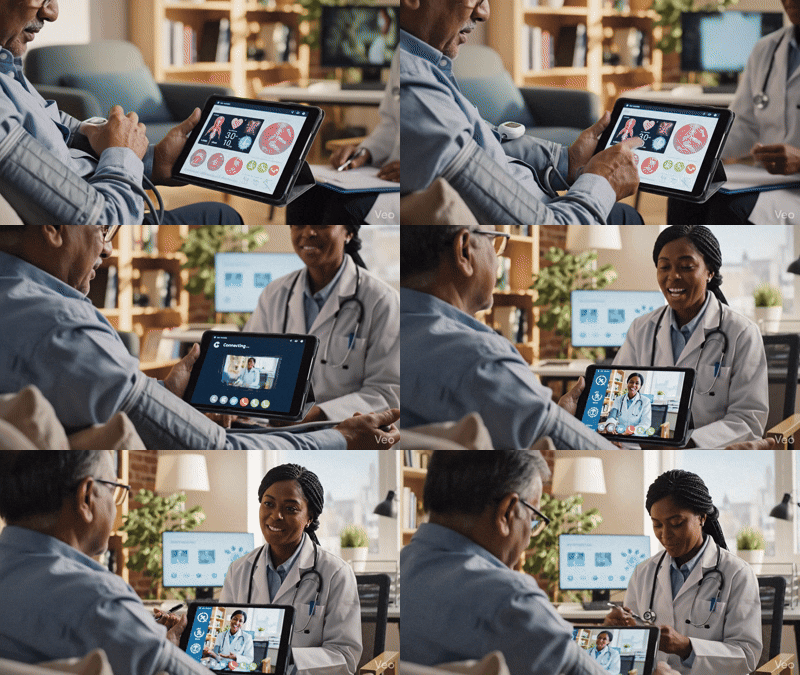
High-Tech Tools: Technology offers personalized interventions, such as setting recurring alerts on phones or online calendars to remind patients when to take their medication.[29, 32] Digital health applications are being developed to assist doctors in monitoring adherence, sometimes in real time.[29] The FDA, recognizing the potential of these tools, has launched pilot programs like TEMPO (Technology-Enabled Meaningful Patient Outcomes) to evaluate risk-based enforcement for digital health devices aimed at improving chronic disease outcomes, demonstrating a regulatory push toward technology integration.[34] However, it is noted that the effective use of these electronic aids demands a certain level of technological proficiency from both patients and clinicians.[29] The most robust adherence strategies integrate both low-tech organizational aids and high-tech reminders, creating a unified support ecosystem.
VI. The Centrality of Patient Empowerment and Health Literacy
A patient’s ability to successfully manage their medications is directly correlated with their level of health literacy and the quality of communication they receive from providers.
6.1 The Causal Link: Health Literacy, Adherence, and Outcomes
Health literacy encompasses an individual’s ability to obtain, process, communicate, and understand basic health information and services needed to make appropriate health decisions.[35] Research has established a positive association between health literacy and adherence; patients with higher levels of health literacy exhibit adherence rates that are, on average, 14% higher than those with low health literacy skills.[35]
Low health literacy is associated with poor outcomes, increased hospitalization rates, and a higher incidence of medication errors due to inadequate comprehension.[36] Patients with limited literacy skills often struggle to reconcile their chronic medications, know their medication indications, or demonstrate an understanding of dosing instructions.[36] Effective communication transforms passive “compliance” into active “adherence” by addressing these psycho-social barriers and fostering genuine partnership, particularly as adherence failure often stems from a lack of comprehension or trust, rather than simple negligence.
6.2 Patient-Centered Communication Strategies
To bridge the gap caused by low health literacy, patient-centered communication strategies are essential:
- Active Confirmation: The use of the Teach-Back Method is a required intervention to confirm that the patient understands their treatment plan and medication instructions.[31, 32] Similarly, the Show Me method can be used to assess physical administration skills.[31]
- Transparency and Clarity: Health professionals must use plain language instructions on prescriptions and labels.[31] If a patient must take a medicine for the rest of their life, the rationale for this necessity should be explained in a way they can fully comprehend.[32]
- Shared Decision-Making: Clinicians should actively include patients in decision-making, based on the patient’s interest level, offering and explaining available options.[37] Asking the patient directly about their requests or goals, such as “What bothers you most about [the medication]?” facilitates a partnership and improves long-term engagement.[37] The high correlation between self-efficacy (confidence in management) [38] and adherence suggests that empowering the patient’s understanding is the strongest predictor of long-term success.[35]
6.3 The Role of Caregivers and Community Support Systems
Effective medication management often requires a network of support. Enlisting the help of family members or caregivers provides crucial assistance with organizing medications, providing reminders, monitoring for side effects, and assisting with pharmacy visits.[39]
As a clinical best practice, the patient should be given an updated medication list and treatment plan at the end of each visit, and, with the patient’s agreement, a copy should also be given to a caregiver.[32] At a community level, embracing partnerships with faith-based and community organizations can effectively drive adherence and provide critical education, particularly for diverse patient populations.[30]
VII. Professional Stewardship: Medication Therapy Management (MTM) and Review
The complexities of modern pharmacotherapy necessitate structured, expert oversight, provided through systematic medication review processes.
7.1 The Pharmacist as the Medication Expert in MTM
The pharmacist is uniquely positioned as the medication expert on the healthcare team.[40] While not trained to replace the primary care physician, pharmacists often operate under collaborative practice agreements to safely manage and optimize medication on a physician-led team.[40] MTM, generally provided by pharmacists, results in several core benefits [2]:
- Comprehensive Review: A review of all medications, including prescriptions from all prescribers, OTC products, and herbal supplements, to identify and address medication problems (e.g., duplication, unnecessary use, or untreated conditions).[2]
- Education and Consultation: In-depth, medication-related education provided to patients, family members, or caregivers to ensure proper use.[2, 41]
- Optimization: Collaboration with the entire care team to select, initiate, monitor, and modify medications based on evidence-based medicine and patient-specific parameters.[2, 41]
7.2 The Comprehensive Medication Review (CMR) Process
The Comprehensive Medication Review (CMR) is an essential, systematic element of MTM.[6] Described as an interactive process, the CMR involves collecting patient-specific information, assessing all medication therapies to identify medication-related problems, developing a prioritized list of issues, and creating a plan to resolve them in collaboration with the patient, caregiver, and prescriber.[6]
The foundation of the CMR is data accuracy. Good clinical decisions require good data; therefore, the MTM provider must attempt to collect the most accurate drug use information possible using all available resources.[6] The fundamental utility of the Comprehensive Medication Review lies in its capacity for accurate medication reconciliation, particularly in addressing the high rate of medication discrepancies, which are common across care settings and often involve unrecorded OTC agents.[16] Only after this critical step of reconciling current use with documented records can optimization, simplification, and deprescribing occur effectively.[2, 6]
7.3 Optimal Frequency and High-Risk Scenarios for Review
Medication review should be a standard, routine part of chronic care. The interval between formal medication reviews should be no more than one year.[7] The annual wellness visit is considered an ideal time to conduct a thorough review, clarifying the rationale for each medicine, the best administration practices, expected side effects, and potential lower-cost alternatives.[28]
However, an annual review is considered the bare minimum standard; patients seeing multiple specialists or those with unstable conditions often require more frequent review, ideally at every clinical visit.[28] This frequency is especially critical for older adults. As patients age, their physiological processes, such as kidney and liver function, slow down, reducing the body’s efficiency in breaking down and eliminating drugs. This necessitates proactive dosage adjustments to prevent the accumulation of medicine to toxic levels.[28]
VIII. Metrics and Evaluation: Quantifying Therapeutic Success
Therapeutic success is measured by quantifying both adherence to the regimen and the resulting clinical outcomes, utilizing a combination of objective and subjective metrics.
8.1 Methodologies for Measuring Adherence
Adherence measurement methods are broadly categorized into direct and indirect techniques [42]:
- Direct Methods: These methods offer objective confirmation that the medication has been taken. Examples include the direct observation of therapy or biological assays that measure the concentration of the drug, its metabolites, or tracer compounds in blood or urine.[42, 43]
- Indirect Methods: These rely on proxy data or patient reporting. They include rates of prescription refills (analyzed via pharmacy claims), pill counts, electronic medication monitors, patient interviews, self-report questionnaires (such as the Morisky Medication Adherence Scale or ARMS), and patient estimates.[42, 43, 44]
While patient self-reporting respects autonomy, it carries the potential risk of patients either overestimating or underestimating their adherence.[45]
8.2 Integrating Clinical Biometrics with Patient-Reported Outcomes
Optimal therapeutic evaluation requires combining both subjective and objective data sources to facilitate proactive intervention rather than reactive clinical response.
- Objective Clinical Metrics (Lagging Indicators): Tracking specific physiological parameters, such as blood pressure, heart rate, blood sugar, and HbA1c, is crucial for determining if the current medication regimen is therapeutically effective and “workable”.[46, 47] For example, elevated HbA1c levels in a diabetic patient serve as a lagging indicator, confirming a historical adherence failure or therapeutic inefficiency.[47]
- Subjective Metrics (Leading Indicators): Measuring patient-reported outcomes, particularly self-efficacy, provides crucial predictive data. Self-efficacy scales assess a patient’s confidence in performing tasks necessary to manage their chronic condition, such as keeping pain, fatigue, or emotional distress from interfering with daily life.[38] Higher self-efficacy is positively associated with adherence.[35] If a patient scores low on a self-efficacy scale, this acts as a leading indicator, predicting potential adherence failure due to cognitive or emotional barriers. By prioritizing the assessment of self-efficacy and subjective adherence metrics, providers can intervene with education or simplification strategies before physiological deterioration occurs.
8.3 Utilizing Digital Tools for Monitoring and Data Capture
Digital health applications and monitoring tools enable patients to take an active role in tracking their health and medication efficacy.[48] Patients can use these apps to log medication intake and doses, record side effects, and track vital health metrics such as blood pressure or blood sugar levels.[46, 48] This capability generates valuable, longitudinal data that provides a comprehensive view of the patient’s health status, enabling clinicians to identify trends and inform dosage evaluations or adjustments.[46] Furthermore, the regulatory environment is adapting to these tools, with initiatives like the FDA’s TEMPO pilot designed to understand how digital health technologies perform in real-life settings to improve care for people managing chronic diseases.[34]
IX. Maximizing Outcomes through Lifestyle Integration (Lifestyle Medicine)
Pharmacological management should never exist in isolation; maximal patient outcomes are achieved through integration with lifestyle interventions, a synergistic approach defined as Lifestyle Medicine.
9.1 Lifestyle Medicine: The Synergistic Approach
Lifestyle medicine is defined as the discipline of studying how daily habits and practices impact the prevention and treatment of disease, often utilized in conjunction with pharmacological or surgical therapy to provide an important adjunct to overall health.[49] This approach targets modifiable risk factors—such as dietary modifications, structured physical activity, weight management, and smoking cessation—which significantly enhance the clinical efficacy of pharmacological treatments.[50]
Clinical evidence demonstrates that this holistic, integrative treatment paradigm improves patient adherence, reduces hospitalizations, and optimizes overall patient quality of life and survival outcomes, particularly in conditions like heart failure.[50] Prescribing medication without concurrently addressing the patient’s lifestyle context constitutes suboptimal clinical care, as it introduces preventable interaction risks and forfeits the most powerful non-pharmacological mechanism for maximizing drug efficacy.
9.2 The Essential Roles of Nutrition, Physical Activity, and Sleep
Behavioral factors—nutrition, physical activity, and sleep—are deeply intertwined with both psychological well-being and physical health.[51] Incorporating prompts into standard care routines to assess how patients are moving, eating, and sleeping ensures that these lifestyle habits are treated as a standard part of care, not an afterthought.[52]
For example, given the established dangers of drug-food interactions (e.g., Warfarin and Vitamin K [23]), diet management functions as a critical safety protocol, not merely a wellness goal. Proactively managing nutrition and exercise stabilizes the biological context, which can reduce the required dosage of pharmacological agents and support long-term deprescribing efforts, thereby minimizing overall pharmacological exposure and risk.[32, 50]
Patients who understand the clinical “why” behind both medication and lifestyle recommendations are more likely to follow through, leading to improved adherence and better quality of life, including enhanced mobility and emotional well-being.[52] This approach builds trust and leads to more meaningful provider-patient conversations.
9.3 Case Studies in Integrated Chronic Disease Management
The synergistic method of integrating lifestyle and pharmacological interventions represents the most effective strategy to reduce the global burden of chronic disease. For instance, in cardiovascular medicine, incorporating dietary changes and exercise along with established drug protocols enhances cardiac function and survival outcomes.[50] This recognition that sustainable change arises from simultaneously addressing psychological well-being and physical health is central to modern clinical practice.[51]
X. The Future Landscape of Pharmacotherapy and Health
The field of pharmacological health management is rapidly evolving, moving toward targeted, personalized, and genetically determined therapeutic interventions.
10.1 Drug Repurposing: An Economically Viable Innovation Pathway
Drug repurposing involves searching for “off-target” effects or newly recognized on-target effects of approved drugs to treat conditions other than those for which they were originally developed.[53] This strategy offers distinct advantages over traditional drug development methods, primarily due to shorter development times and lower costs, as the safety profile of the compound is already well-known.[53]
A key focus for repurposing involves oral anti-diabetic or anti-hypertensive drugs. These chronic medications are taken daily, often effective at minimal doses, and well tolerated, making them advantageous candidates for new applications, such as in oncology or neurology (e.g., Metformin repurposed as an anticancer agent, or methylphenidate for enhancing cognitive function in traumatic brain injury).[53, 54]
10.2 Targeted Therapies and Biologics
The trend toward precision medicine is being driven by the development of targeted therapies, especially biologics. Researchers are harnessing extensive antibody discovery and protein engineering platforms to create monoclonal and fragment antibodies known for their specificity and selectivity.[55] This transformation allows clinicians to target the specific genetic drivers of both chronic and rare diseases to alter the course of illness and enable long-lasting treatment.[55]
10.3 Genomic Medicine, Cell, and Gene Therapies
The most profound shift in pharmacotherapy lies in the rapidly advancing field of genomic medicine and cell therapy.
- Cell Therapies: Innovative cell therapies, such as Chimeric Antigen Receptor T-cell therapies (CAR-Ts) and T cell receptor therapies (TCR-Ts), are being developed to empower and equip the immune system’s T cells to target cancer more effectively.[55] In immunology, cell therapies aim to stabilize T-regulatory cells or target B-cell driven diseases, transforming the treatment of refractory patients.[55]
- Genomic Medicine: This involves exploring nucleotide-based modalities, including oligonucleotides, RNA-based therapies, and therapeutic tools like CRISPR/Cas9 and adeno-associated viruses (AAVs).[55] Gene therapy holds the potential to modify and even cure disease by editing the genes responsible for causing illness.[55] Recent developments include the first CRISPR tools for editing genetic material, expected to treat sickle cell disease and beta thalassemia.[56]
The emergence of genomic medicine necessitates a radical convergence of diagnostics and clinical pharmacology. The therapeutic paradigm is shifting from empirical, population-based dosing to genetically determined, highly personalized interventions. These techniques are projected to expand beyond rare conditions to address common chronic issues like high cholesterol and obesity.[56] This implies that future MTM must incorporate genomic data analysis as a preliminary step, enabling pre-emptive identification of the most efficacious and safest treatment, thereby significantly minimizing the iterative therapeutic adjustments common in current chronic care.
Conclusions and Recommendations
The optimal use of medications for good health requires a multidisciplinary, dynamic, and patient-centric approach that transcends simple prescription compliance.
- Systematic Risk Mitigation: Pharmacological safety must be viewed through a cumulative risk model. Clinicians and patients must rigorously apply the 5 Rights to all ingested substances (Rx, OTC, Supplements) and perform routine screening for drug-food and drug-drug interactions. The accumulation of relative contraindications, particularly in vulnerable patients with altered physiology (e.g., the elderly), mandates caution and proactive dose adjustment.
- Adherence as a Partnership: Achieving sustained adherence requires actively addressing structural barriers (regimen complexity, cost) through simplification strategies (deprescribing, combination pills) and leveraging both low-tech aids (blister packs) and high-tech reminders. The provider’s role is not enforcement, but empowerment, achieved through shared decision-making and rigorous use of the Teach-Back Method to ensure high health literacy and self-efficacy.
- Mandatory Professional Oversight: Comprehensive Medication Review (CMR) conducted by a qualified medication expert (pharmacist) is an essential annual safety measure. The primary clinical value of the CMR is the accurate reconciliation of the patient’s entire medication profile, resolving discrepancies (especially involving unrecorded OTCs) before therapeutic optimization can commence.
- Integration with Lifestyle Medicine: Pharmacotherapy should be delivered within the framework of Lifestyle Medicine. By integrating the management of nutrition, physical activity, and sleep, clinicians stabilize the patient’s biological context, thereby reducing interaction risks, maximizing the efficacy of pharmacological agents, and enhancing patient self-management capabilities.
- Preparation for Personalized Medicine: Future pharmacological stewardship will require the integration of advanced technologies and genomic data. MTM professionals must prepare for a transition toward highly targeted therapies (biologics, gene editing), where therapeutic decisions are driven by genetically determined pathways, necessitating a shift in focus from managing population-level variability to precision dosing.
——————————————————————————–
- Think It Through: Managing the Benefits and Risks of Medicines | FDA, https://www.fda.gov/drugs/information-consumers-and-patients-drugs/think-it-through-managing-benefits-and-risks-medicines
- What is Medication Therapy Management (MTM) – ACCP, https://www.accp.com/docs/govt/advocacy/Leadership%20for%20Medication%20Management%20-%20MTM%20101.pdf
- 50+ Examples of Therapy Goals and Objectives – Berries AI, https://heyberries.com/blog/articles/examples-of-therapy-goals
- 4 Goals for Therapy You Should Know About | CeDAR, https://cedarcolorado.org/4-goals-for-therapy-you-should-know-about/
- Outcomes | Healthcare Solutions for Pharmacy, Pharma, and Payers, https://www.outcomes.com/
- Conducting the Comprehensive Medication Review | Medication Therapy Management – AccessPharmacy, https://accesspharmacy.mhmedical.com/content.aspx?bookid=1079§ionid=61423929
- Quality statement 5: Medication reviews | Medicines management in care homes – NICE, https://www.nice.org.uk/guidance/qs85/chapter/quality-statement-5-medication-reviews
- Right Medication | TRC Healthcare, https://trchealthcare.com/blog-right-medication/
- Medication Administration 101: Basic Rights, Routes, and Principles – GoodRx, https://www.goodrx.com/drugs/medication-basics/medication-administration
- Types of medicines | Great Ormond Street Hospital, https://www.gosh.nhs.uk/conditions-and-treatments/medicines-information/types-medicines/
- 1.9 Efficacy, Dose-Response, Onset, Peak, and Duration – Nursing Pharmacology-2e, https://wtcs.pressbooks.pub/pharmacology2e/chapter/1-9-efficacy-dose-response-onset-peak-and-duration/
- Using Over-the-Counter Medicines Safely – UF Health, https://ufhealth.org/care-sheets/using-over-the-counter-medicines-safely
- Overview of Over-the-Counter Medications – Drugs – MSD Manual Consumer Version, https://www.msdmanuals.com/home/drugs/over-the-counter-medications/overview-of-over-the-counter-medications
- Use Over-the-Counter Medicines Safely – BeMedWise, https://www.bemedwise.org/over-the-counter-medicines/
- Over-the-counter medicines: MedlinePlus Medical Encyclopedia, https://medlineplus.gov/ency/article/002208.htm
- Development and evaluation of a patient-centric approach for accurate medication capture, https://pmc.ncbi.nlm.nih.gov/articles/PMC12530325/
- Understanding the time course of pharmacological effect: a PKPD approach – PMC, https://pmc.ncbi.nlm.nih.gov/articles/PMC3099368/
- 3 Types of Primary Care: Acute, Chronic and Preventative – Nice Healthcare, https://www.nice.healthcare/the-nicessities/three-categories-of-primary-care
- Preventive medicines for migraine, https://migrainetrust.org/live-with-migraine/healthcare/treatments/preventive-medicines/
- Medication Side Effects & Reactions – HealthyChildren.org, https://www.healthychildren.org/English/safety-prevention/at-home/medication-safety/Pages/Medication-Side-Effects.aspx
- Finding and Learning about Side Effects (adverse reactions) – FDA, https://www.fda.gov/drugs/find-information-about-drug/finding-and-learning-about-side-effects-adverse-reactions
- Drug Interactions: What You Should Know – Cleveland Clinic, https://my.clevelandclinic.org/health/articles/drug-interactions
- Food-Drug Interactions | Johns Hopkins Medicine, https://www.hopkinsmedicine.org/health/conditions-and-diseases/fooddrug-interactions
- Common Food-Drug Interactions – Blanchard Valley Health System, https://www.bvhealthsystem.org/expert-health-articles/common-food-drug-interactions
- Medication Interactions: Food, Supplements and Other Drugs | American Heart Association, https://www.heart.org/en/health-topics/consumer-healthcare/medication-information/medication-interactions-food-supplements-and-other-drugs
- Contraindication: MedlinePlus Medical Encyclopedia, https://medlineplus.gov/ency/article/002314.htm
- What is a contraindication? – Pharmaceutical Press, https://www.pharmaceuticalpress.com/resources/article/what-is-a-contraindication/
- 9 reasons to review medications every year | UnitedHealthcare, https://www.uhc.com/news-articles/medicare-articles/9-reasons-to-review-medications-every-year
- Overcoming barriers to medication adherence: a comprehensive guide – Acare HCP Global, https://acarepro.abbott.com/articles/general-topics/overcoming-barriers-to-medication-adherence/
- Medication Adherence and Compliance: Recipe for Improving Patient Outcomes – NIH, https://pmc.ncbi.nlm.nih.gov/articles/PMC9498383/
- Overcoming Barriers to Medicine Adherence – AHRQ, https://www.ahrq.gov/sites/default/files/wysiwyg/professionals/quality-patient-safety/patient-family-engagement/pfeprimarycare/medicinelist-barriers-postcard-final508.pdf
- Improving Medication Adherence for Better Outcomes – Health Plan of San Mateo, https://www.hpsm.org/provider/resources/guidelines/improving-medication-adherence-for-better-outcomes
- Medication Adherence Packaging & Pharmacy Products – Jones Healthcare Group, https://joneshealthcaregroup.com/products-services/pharmacy-medication-adherence/
- FDA Launches TEMPO: A First-of-Its-Kind Digital Health Pilot to Expand Access to Chronic Disease Technologies, https://www.fda.gov/news-events/press-announcements/fda-launches-tempo-first-its-kind-digital-health-pilot-expand-access-chronic-disease-technologies
- Health Literacy and Adherence to Medical Treatment in Chronic and Acute Illness: A Meta-Analysis – NIH, https://pmc.ncbi.nlm.nih.gov/articles/PMC4912447/
- Health literacy and medication adherence – Acare HCP Global – Abbott, https://acarepro.abbott.com/articles/general-topics/the-impact-of-health-literacy-on-medication-adherence/
- Communication Strategies in Pharmacy – ACCP, https://www.accp.com/docs/meetings/UT17/handouts/02._Communication_Strategies_in_Pharmacy.pdf
- Self-Efficacy for Managing Chronic Disease 6-Item Scale – DSHS, https://www.dshs.wa.gov/sites/default/files/ALTSA/stakeholders/documents/duals/toolkit/Standford%20Self-efficacy%20Scale%20-%20Tool%20with%20Instructions.pdf
- 5 Strategies to Simplify Complex Medication Regimens – DosePacker, https://dosepacker.com/blog/how-to-simplify-complex-medication-regimens
- What’s the difference between pharmacists and physicians? – American Medical Association, https://www.ama-assn.org/practice-management/scope-practice/whats-difference-between-pharmacists-and-physicians
- Pharmacotherapy Care Specialist; Full Time; Days in New York, NY – Mount Sinai Careers, https://careers.mountsinai.org/jobs/3027357?lang=en-us
- An overview of the common methods used to measure treatment adherence – PMC, https://pmc.ncbi.nlm.nih.gov/articles/PMC6510353/
- Measuring Medication Adherence | MUSC College of Medicine, https://medicine.musc.edu/departments/family-medicine/research-scholarship/rcmar/medication-adherence
- Medication Adherence Measurement in Chronic Diseases: A State-of-the-Art Review of the Literature – PMC – PubMed Central, https://pmc.ncbi.nlm.nih.gov/articles/PMC12567100/
- Technologies for Medication Adherence Monitoring and Technology Assessment Criteria: Narrative Review – PMC – PubMed Central, https://pmc.ncbi.nlm.nih.gov/articles/PMC8949687/
- Blood Pressure & Glucose Pal – App Store – Apple, https://apps.apple.com/us/app/blood-pressure-glucose-pal/id895314221
- Blood glucose, blood pressure, and cholesterol testing among adults with diabetes before and during the COVID-19 pandemic, USA, 2019 vs 2021 – NIH, https://pmc.ncbi.nlm.nih.gov/articles/PMC10410960/
- How to Tell If Your Medication Needs an Evaluation or Adjustment – Pivot Counseling, https://pivot-co.com/how-to-tell-if-your-medication-needs-an-evaluation-or-adjustment/
- Lifestyle Medicine: The Health Promoting Power of Daily Habits and Practices – PMC, https://pmc.ncbi.nlm.nih.gov/articles/PMC6367881/
- Impact of Lifestyle Modifications Along With Pharmacological Treatment of Heart Failure: A Narrative Review – PMC – PubMed Central, https://pmc.ncbi.nlm.nih.gov/articles/PMC12045463/
- Lifestyle Medicine and Behavioral Health: A Time for Deeper Integration – PMC, https://pmc.ncbi.nlm.nih.gov/articles/PMC12460265/
- Integrating Exercise, Nutrition, and Sleep into Preventive Care for Seniors – ChenMed, https://www.chenmed.com/blog/integrating-exercise-nutrition-and-sleep-preventive-care-seniors
- Repurposing of Chronically Used Drugs in Cancer Therapy: A Chance to Grasp – MDPI, https://www.mdpi.com/2072-6694/15/12/3199
- From Lab to Clinic: Success Stories of Repurposed Drugs in Treating Major Diseases – PMC, https://pmc.ncbi.nlm.nih.gov/articles/PMC12535746/
- Next generation therapeutics – AstraZeneca, https://www.astrazeneca.com/r-d/next-generation-therapeutics.html
- The Future of Health Care Innovation with Gene Therapy | Evernorth, https://www.evernorth.com/articles/gene-therapy-changing-landscape
 Journal for Policy & Market Research
Leave a comment