sustainable-agriculture
-

The 2025/26 marketing year for cash crop exports is shaped by record production, shifting geopolitics, and a move towards sustainable products. Key commodities like corn and soybeans show varied market trends influenced by international demand and production dynamics. Exporters must adapt to heightened regulatory standards and climate impacts while enhancing logistical efficiency.
-
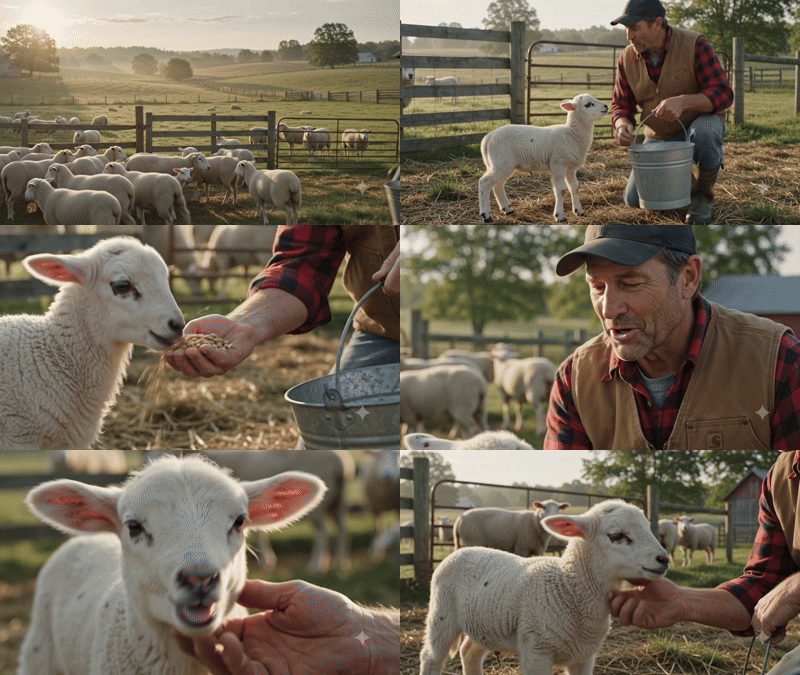
The 2026 livestock industry emphasizes data-driven management and integration of precision livestock farming technologies amid high asset values and supply chain disruptions. The U.S. cattle herd is at a historic low, while poultry and swine face challenges from diseases and costs. Successful producers adopt strategic vertical integration and biosecurity measures to enhance profitability.
-
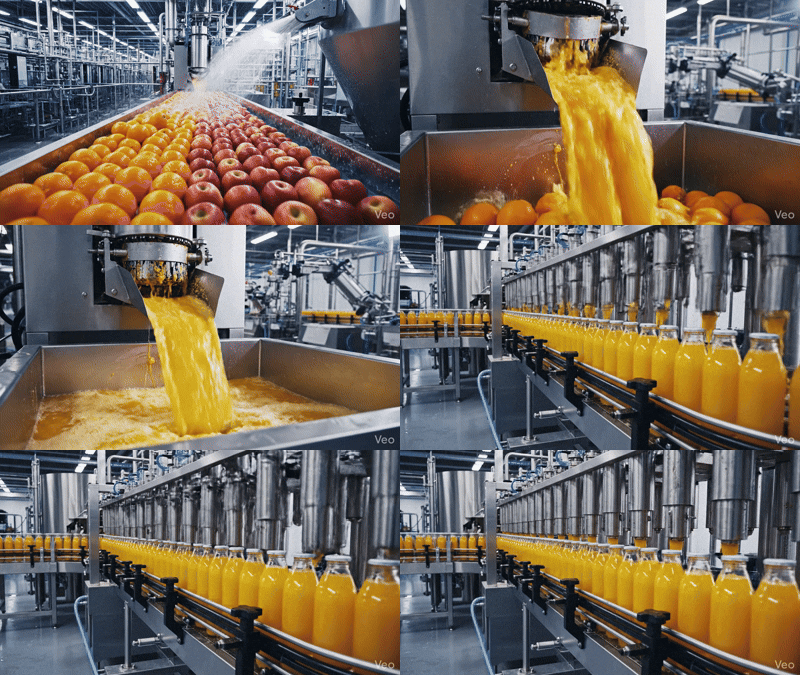
The agricultural landscape in 2026 is undergoing a significant transformation through the integration of technologies like AI, IoT, and blockchain, marking the shift to Agriculture 5.0. This evolution focuses on data-driven practices to increase productivity and sustainability, addressing challenges like food security and environmental impact amid climate change concerns.
-

Direct-to-consumer agricultural markets are crucial for sustainable food systems, providing significant economic benefits for small-scale farmers through higher gross returns and local economic revitalization. However, challenges persist, especially in low- and middle-income countries, where infrastructure and high transaction costs hinder market access. Strategic policies are necessary to enhance these markets’ effectiveness and sustainability globally.
-

The agricultural sector’s resilience relies on strategic capital access and effective risk management. USDA programs play crucial roles in supporting family farms through loans and conservation funding. Meanwhile, precision agriculture technologies enhance efficiency and sustainability. Integrating financial, technological, and human capital strategies is essential for long-term profitability and operational stability.
-
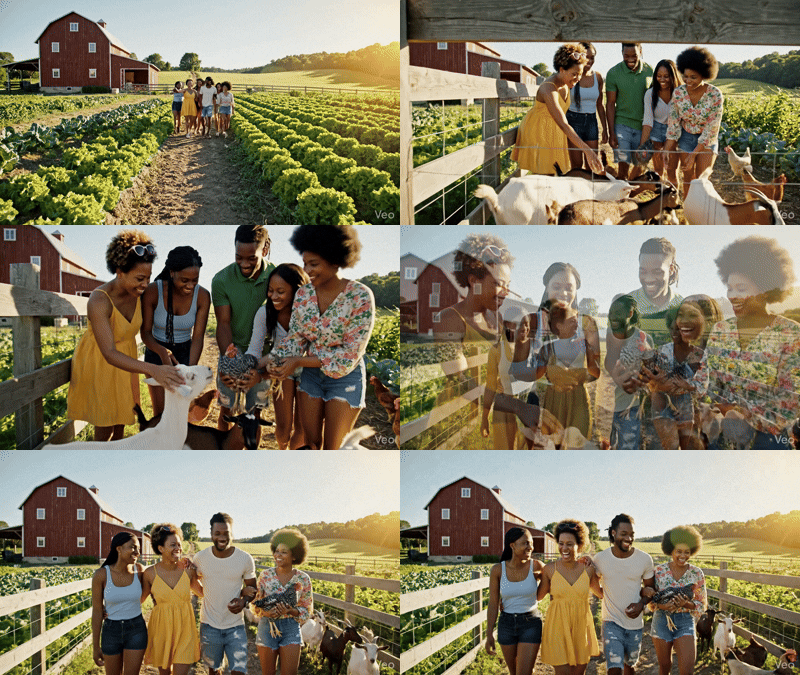
Agritourism is a growing sector that merges agriculture with tourism, enhancing rural economies by diversifying income sources. With projected growth rates of around 11.9%, it leverages farm resources for experiential marketing. However, challenges such as sustainability and preserving authenticity must be managed to prevent environmental degradation and commodification of rural life.
 Journal for Policy & Market Research