travel
-

The evolution of urban transportation has transformed the taxi industry into a complex ecosystem of TNCs and autonomous platforms. This shift blends digital technologies, regulatory frameworks, and innovative business models. Entrepreneurs must navigate multi-faceted challenges, including fluctuating regulations, evolving algorithms, and competitive market dynamics for operational success and sustainability.
-

The maritime and inland water transportation industry is crucial for global trade, handling about 80% of trade volume. It faces high capital costs and regulatory challenges but shows growth in inland passenger transport due to urbanization and tourism. Strategic planning, environmental sustainability, and digital transformation are essential for success in this evolving sector.
-

The global economy is shifting towards flexible workspaces, notably coworking models that support startups by enhancing productivity, networking, and operational agility. While home offices reduce costs, they often lead to isolation and burnout. Coworking spaces provide essential infrastructure and collaborative opportunities, facilitating growth and resource allocation for modern entrepreneurs.
-

The commercial aviation landscape in 2025 faces a paradox of high passenger demand amidst supply chain crises, as the industry recovers from global disruptions. With a projected market value of $333.96 billion, the sector grapples with regulatory complexities, financial pressures, and a push for sustainability, innovating to adapt and grow in a challenging environment.
-

The global public transportation sector is evolving with digital orchestration, multimodal integration, and a shift toward Mobility-as-a-Service (MaaS), enhancing consumer access to transit options. Entrepreneurs face challenges in regulatory compliance and technology deployment while exploring diverse business models. The industry’s future hinges on AI, electrification, and workforce engagement strategies.
-
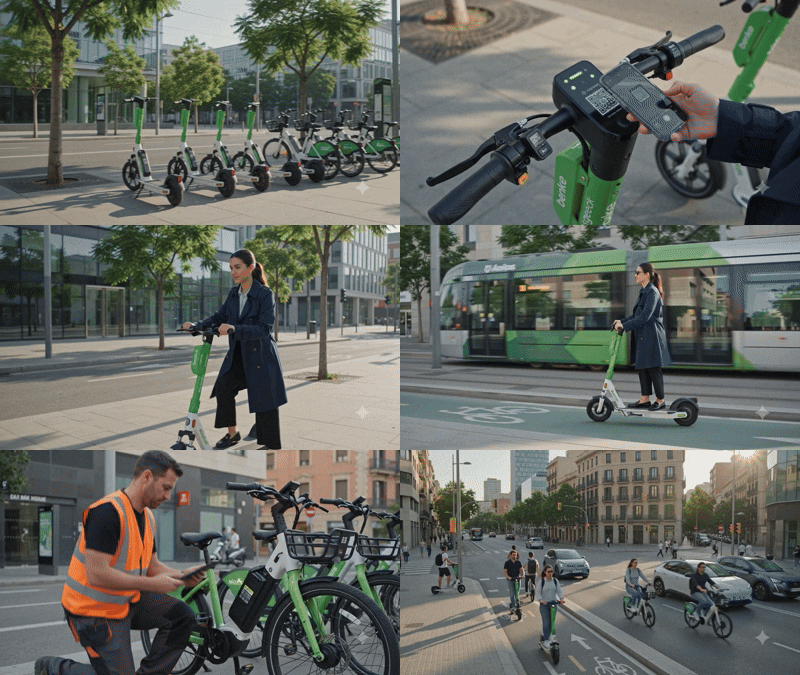
The shared micromobility sector is evolving rapidly, marked by increased ridership and technological integration. By 2026, operators face challenges from regulatory demands, trade tensions, and competition. However, emerging opportunities are found in suburban markets and last-mile logistics, aiming for sustainable, inclusive urban transport amidst a volatile economic landscape.
-

In 2026, the human capital landscape is reshaped by technology, borderless identities, and purpose-driven travel experiences, revealing a proactive engagement shift. Volunteer tourism growth reflects youth priorities, emphasizing sustainability and skill application. Global education trends pivot towards online learning and employability, while digital nomadism emerges as a critical factor in workforce mobility.
-

This report outlines essential operational pillars for global mobility, including travel compliance, financial strategies for accommodation, and health and safety in dining. Key imperatives include proactive regulatory compliance, cost optimization through decentralized booking, food safety measures, and robust cybersecurity practices to enhance travel planning and minimize risks across diverse regions.
-

The transportation support ecosystem comprises complex financial, technical, operational, and regulatory dimensions crucial for ensuring mobility. It distinguishes between commercial and public transportation needs, where funding and regulations might take various forms. Technology, human services, and innovative financing play vital roles in optimizing efficiency and achieving equitable access across the transportation landscape.
-

The report explores global gastronomy as a lens for understanding culture, tradition, and social connection, highlighting the interplay of geography, history, and innovation in various cuisines like Italian, Japanese, and Mexican. It discusses the influence of accessibility and media on culinary popularity, emphasizing modern trends toward sustainability and ethical eating.

