nutrition
-

The global food subscription industry has transformed by 2026, evolving from a luxury to an essential service in urban households. Market growth is fueled by AI integration, rising food prices, and changing consumer preferences towards subscription models. The sector is projected to reach USD 11.61 billion by 2032, driven by demand for convenience and sustainability.
-

The production of high-quality toffee relies on precise thermal processing and ingredient management to prevent crystallization and achieve specific moisture levels. It involves understanding sugar dynamics and chemical reactions, especially during the critical Hard Crack stage. Industrial methods now emphasize continuous processes with vacuum technology for consistency and quality.
-
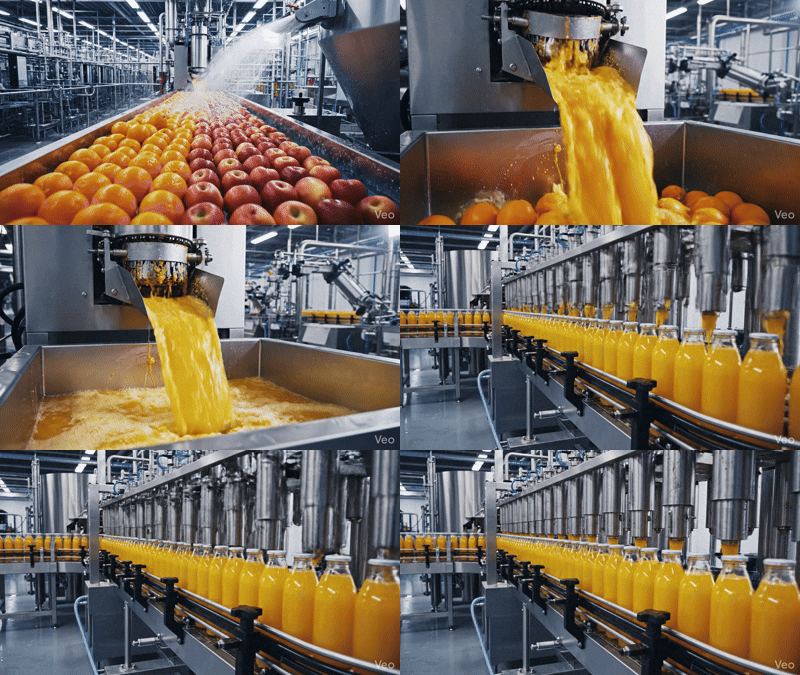
The industrial fruit juice production process is highly automated and optimized for quality through advanced technologies. It includes stringent quality control, waste management, and the differentiation between Not From Concentrate (NFC) and From Concentrate (FC) juices. Modern methods focus on preserving nutrients, maximizing yield, and meeting regulatory standards, while sustainability drives market trends toward premium,…
-

The analysis outlines a strategic approach to family grocery management, emphasizing the importance of planning, purchasing, and preservation to reduce costs while ensuring nutritional quality. It highlights methods to minimize food waste and optimize shopping through inventory audits, unit price evaluations, and leveraging sales cycles, ultimately advocating for a proactive, analytical food procurement strategy.
-

Cocoa, particularly its flavanol-rich forms, has numerous health benefits, including improvements in cardiovascular, metabolic, and cognitive health. Key mechanisms involve enhanced endothelial function and increased nitric oxide availability. However, benefits depend on minimally processed cocoa to retain phytochemicals, balanced against the risk of heavy metal contamination from certain products.
-
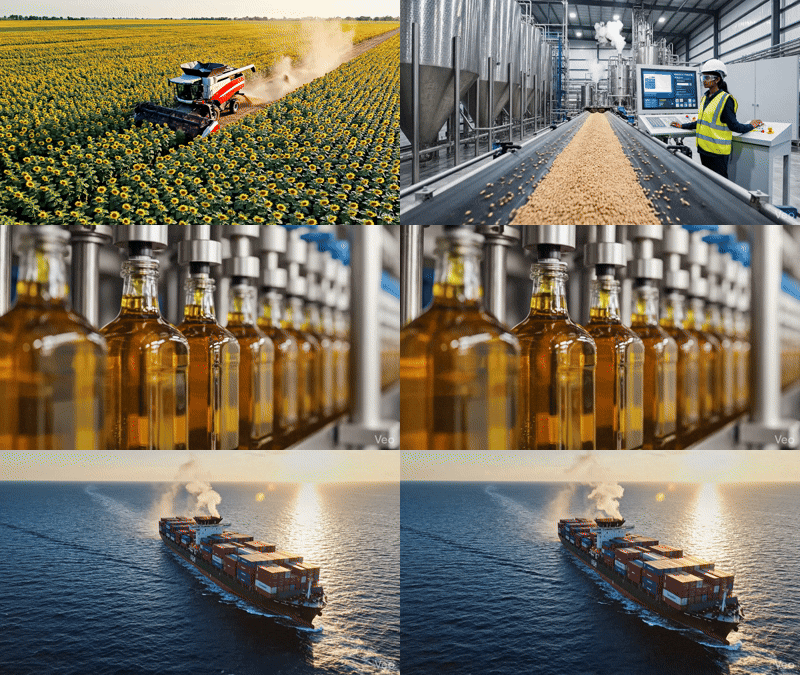
The global oilseed and vegetable oil industry is rapidly evolving due to advancements in biotechnology and increasing demand for biofuels. By 2025, the market is expected to reach USD 321.36 billion, with significant growth driven by soybeans. Competition from South America and changes in consumption patterns in Asia-Pacific further influence this dynamic sector.
 Journal for Policy & Market Research