food
-
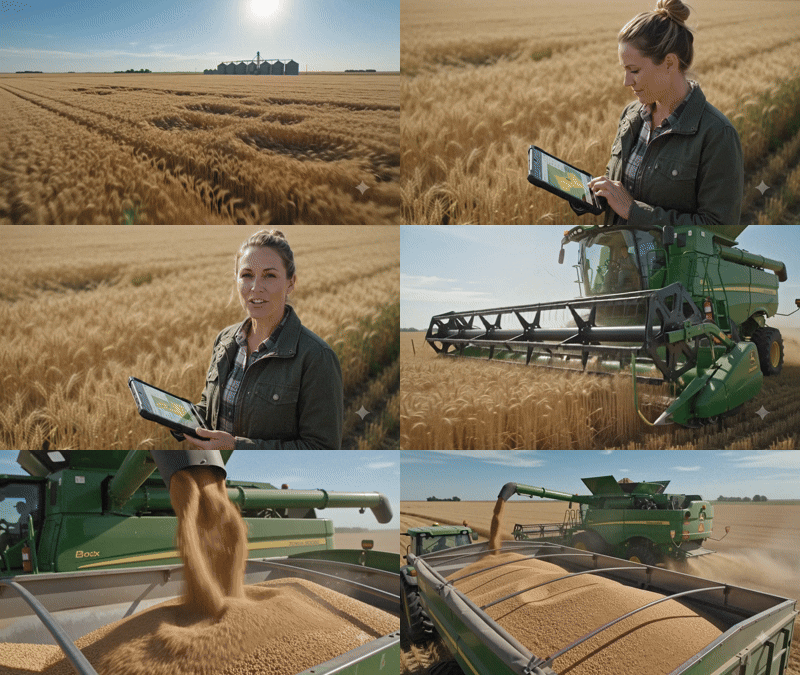
The global cereal crops sector is crucial for food security, with production projected to exceed 3 billion tonnes by 2025/26, driven by record harvests. Modern agricultural entrepreneurs must adapt to volatility and sustainability trends, utilizing technologies like precision agriculture and Integrated Pest Management (IPM) for success. Financial planning and regulatory compliance are essential.
-
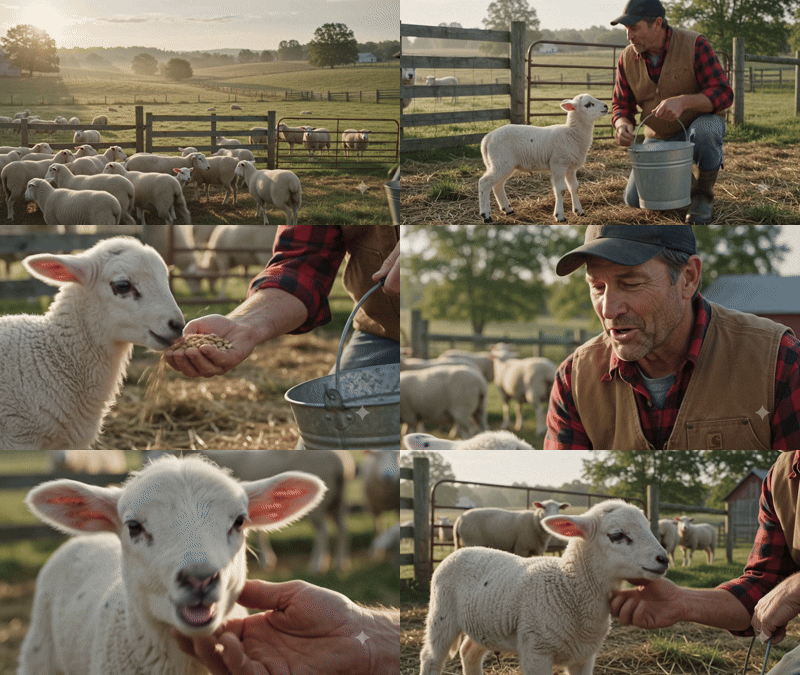
The 2026 livestock industry emphasizes data-driven management and integration of precision livestock farming technologies amid high asset values and supply chain disruptions. The U.S. cattle herd is at a historic low, while poultry and swine face challenges from diseases and costs. Successful producers adopt strategic vertical integration and biosecurity measures to enhance profitability.
-

The modern agricultural framework relies on the preservation of plant genetic resources essential for food security. Despite the existence of a global network of seed banks and facilities like the Svalbard Global Seed Vault, vulnerabilities persist due to funding issues and climate impacts. Technology advances and seed sovereignty movements are critical to future food resilience.
-

The global food subscription industry has transformed by 2026, evolving from a luxury to an essential service in urban households. Market growth is fueled by AI integration, rising food prices, and changing consumer preferences towards subscription models. The sector is projected to reach USD 11.61 billion by 2032, driven by demand for convenience and sustainability.
-

Direct-to-consumer agricultural markets are crucial for sustainable food systems, providing significant economic benefits for small-scale farmers through higher gross returns and local economic revitalization. However, challenges persist, especially in low- and middle-income countries, where infrastructure and high transaction costs hinder market access. Strategic policies are necessary to enhance these markets’ effectiveness and sustainability globally.
-
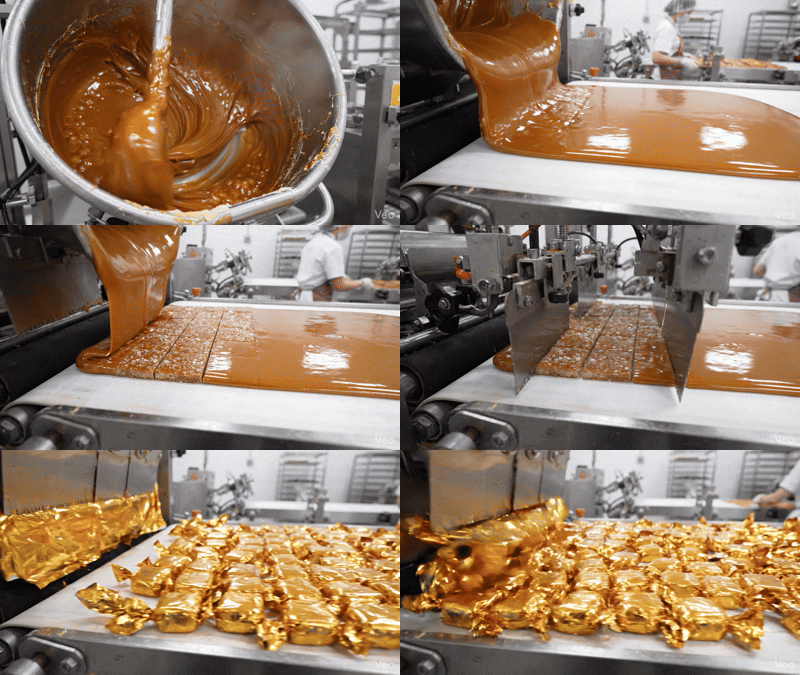
The production of high-quality toffee relies on precise thermal processing and ingredient management to prevent crystallization and achieve specific moisture levels. It involves understanding sugar dynamics and chemical reactions, especially during the critical Hard Crack stage. Industrial methods now emphasize continuous processes with vacuum technology for consistency and quality.
-
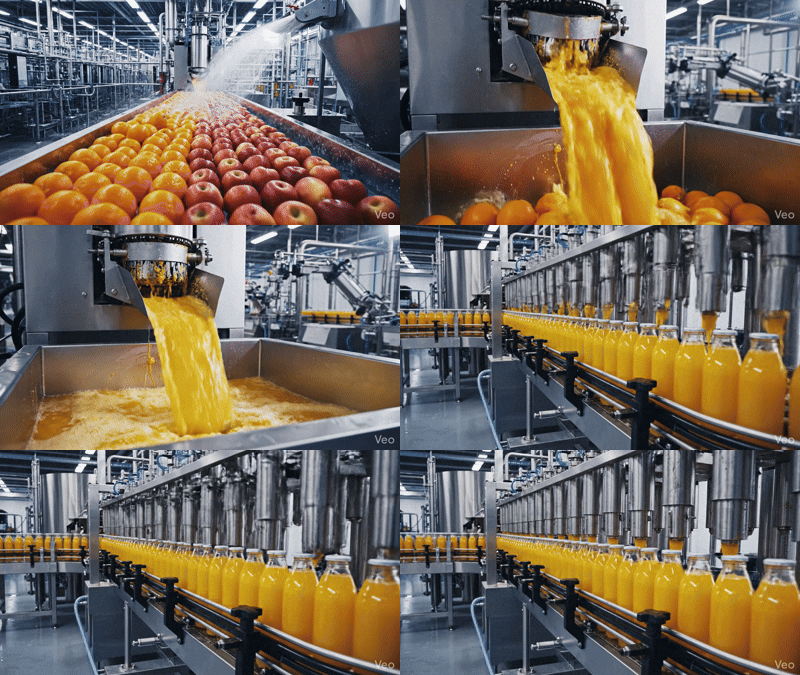
The industrial fruit juice production process is highly automated and optimized for quality through advanced technologies. It includes stringent quality control, waste management, and the differentiation between Not From Concentrate (NFC) and From Concentrate (FC) juices. Modern methods focus on preserving nutrients, maximizing yield, and meeting regulatory standards, while sustainability drives market trends toward premium,…
-

The report explores global gastronomy as a lens for understanding culture, tradition, and social connection, highlighting the interplay of geography, history, and innovation in various cuisines like Italian, Japanese, and Mexican. It discusses the influence of accessibility and media on culinary popularity, emphasizing modern trends toward sustainability and ethical eating.
-
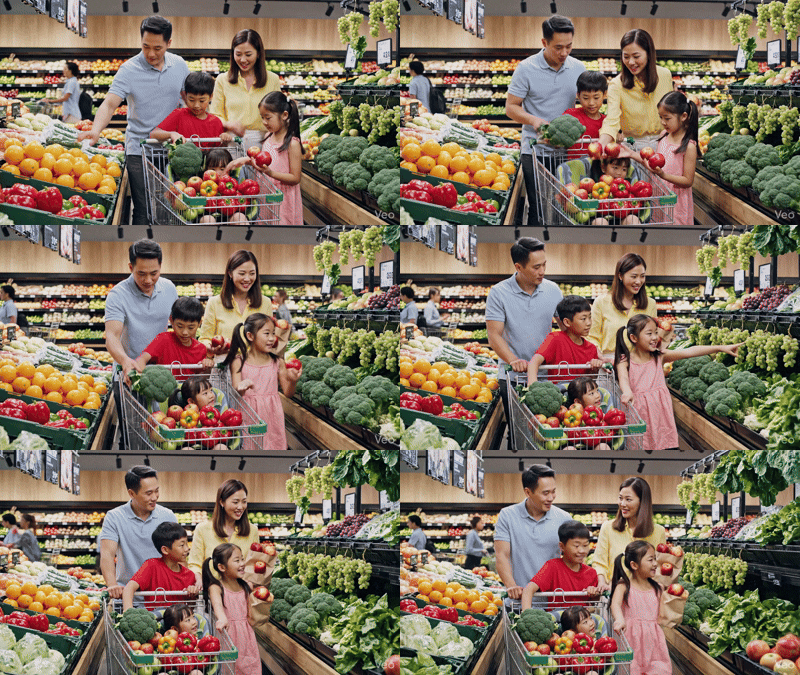
The analysis outlines a strategic approach to family grocery management, emphasizing the importance of planning, purchasing, and preservation to reduce costs while ensuring nutritional quality. It highlights methods to minimize food waste and optimize shopping through inventory audits, unit price evaluations, and leveraging sales cycles, ultimately advocating for a proactive, analytical food procurement strategy.
-
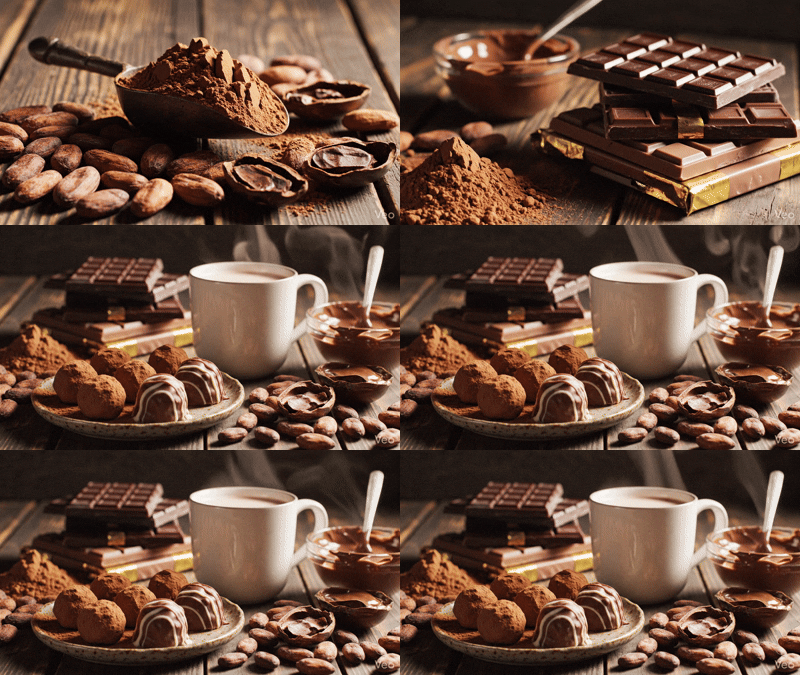
Cocoa, particularly its flavanol-rich forms, has numerous health benefits, including improvements in cardiovascular, metabolic, and cognitive health. Key mechanisms involve enhanced endothelial function and increased nitric oxide availability. However, benefits depend on minimally processed cocoa to retain phytochemicals, balanced against the risk of heavy metal contamination from certain products.
 Journal for Policy & Market Research